Serving Suffolk
& Nassau County
& Nassau County

Family Owned & Operated Since 1971!
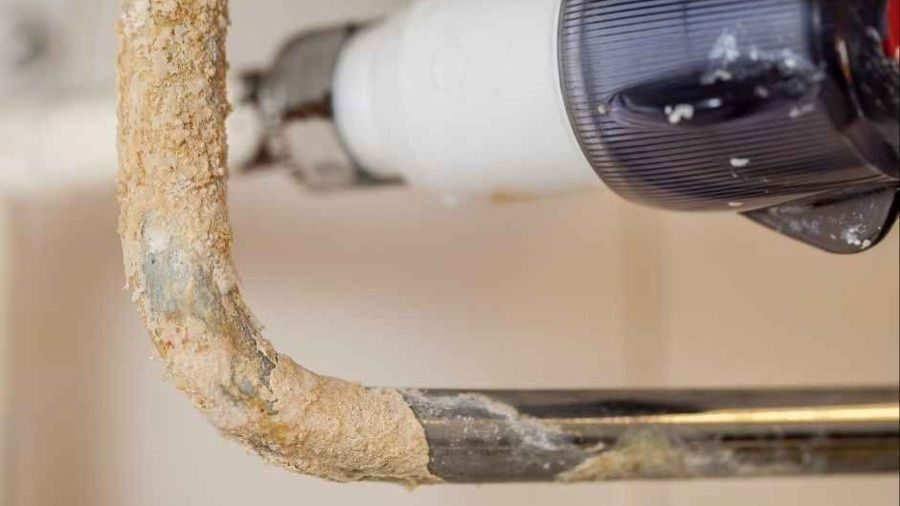
White crust around your faucets, cloudy spots on glassware, and a water heater that needs more attention than it used to can all point to hard water. Over time, dissolved minerals can leave deposits behind throughout your plumbing system and on the appliances that use or heat water.
That does not mean every Long Island home has the same water hardness or that every homeowner needs a water softener. Water conditions can vary by location, source, and utility, so the best decision starts with understanding what is actually in your water.
In this guide, we’ll explain what hard water is, how it can affect pipes, fixtures, water heaters, and appliances, and when a whole-home water softener may be worth considering.
Hard water contains higher levels of dissolved minerals, most commonly calcium and magnesium. These minerals are not necessarily a health concern, but they can leave scale behind as water is heated, evaporates, or repeatedly moves through plumbing fixtures and appliances.
Over time, that buildup can become more than a cleaning annoyance. It may reduce fixture flow, cause sediment in water heaters, build scale on heating surfaces, and increase maintenance for appliances that regularly use water.
Common effects of hard water include:
White or chalky deposits
Soap residue
Mineral spots on glassware
Scale around faucets and showerheads
Water heater sediment
Reduced fixture flow
More frequent appliance cleaning
The severity can vary significantly from one home to another. That is why you should evaluate hard water based on actual symptoms and testing rather than assumptions.
Water hardness can vary across Long Island depending on where you live and which water supplier serves your property. No single hardness number accurately describes every household in Nassau or Suffolk County.
That variation matters because two homes only a short distance apart may experience different levels of mineral buildup. The most reliable way to know how hard your water is is to review local water-quality information and, when appropriate, test the water at your home.
If you already see visible scale or repeated mineral-related problems, testing can help determine whether hardness is contributing. It can also provide a better basis for deciding whether a softener or another treatment system is appropriate.
Hard water often leaves visible clues long before it causes a major plumbing problem. The more of these signs you notice together, the more likely mineral buildup is affecting your home.
Common signs include:
White crust around faucets
Cloudy spots on dishes and glassware
Scale on showerheads
Reduced water flow from fixtures
Soap that does not lather as easily
Film or residue after washing
Mineral deposits around appliance connections
Popping or rumbling from a tank water heater
One symptom by itself does not always confirm hard water. Several recurring symptoms across different fixtures and appliances provide a stronger reason to investigate.
Hard water can contribute to mineral scale inside certain plumbing materials over time. As deposits accumulate, they may narrow a pipe’s interior or collect around fittings, valves, and fixture components.
That does not mean hard water automatically destroys every plumbing system. The effect depends on water chemistry, pipe material, age, temperature, flow, and how long deposits have been building.
Potential consequences can include:
Reduced water flow
Restricted fixture performance
Mineral buildup around valves
Scale inside plumbing components
More frequent cleaning or maintenance
If flow has gradually declined throughout the home, hard water may be one possibility. A plumber can help determine whether mineral buildup, corrosion, pressure problems, or another plumbing issue is responsible.
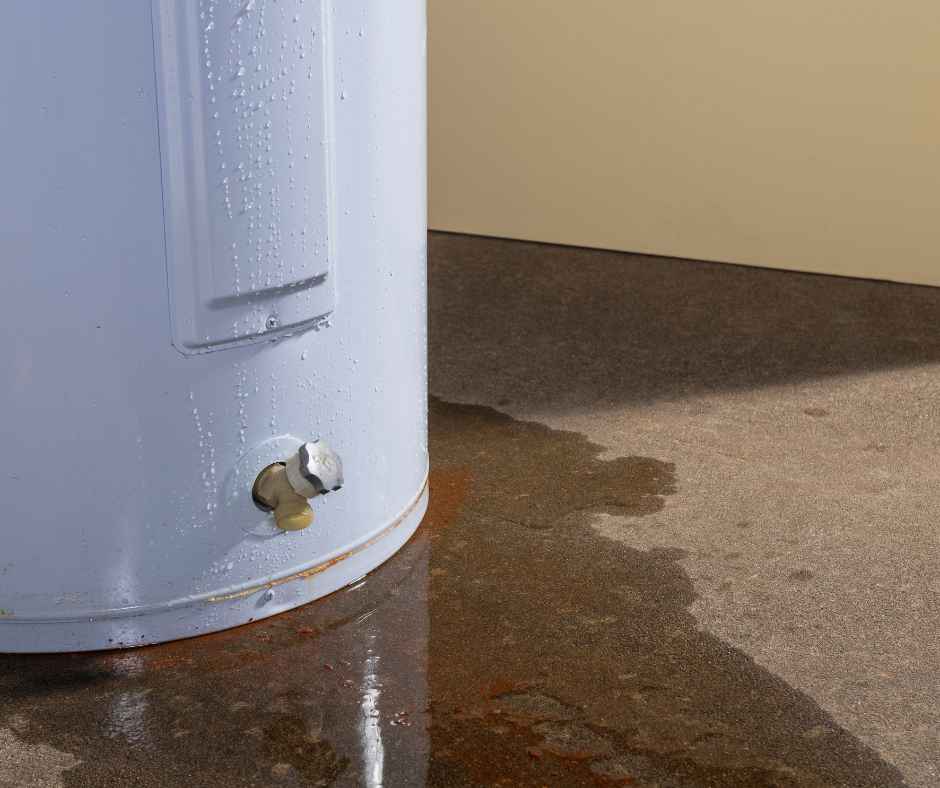
Water heaters are particularly vulnerable to mineral buildup because they repeatedly heat water. As water temperature rises, dissolved minerals can settle out and collect inside a traditional storage tank or form scale on heat-transfer surfaces.
Over time, sediment can contribute to:
Popping or rumbling noises
Reduced usable tank capacity
Longer recovery times
Declining heating performance
More frequent maintenance
Additional strain on some components
A noisy water heater does not automatically need replacement. However, you should address persistent sediment-related problems before buildup becomes more severe.
Hard water can contribute to scale inside appliances that regularly heat or move water. That buildup can interfere with small passages, valves, spray components, and heating surfaces.
Appliances that may be affected include:
Dishwashers
Washing machines
Coffee makers
Ice makers
Refrigerators with water dispensers
Water heaters
Other water-using equipment
Hard water does not guarantee early appliance failure, but repeated scale buildup can increase maintenance needs. In some cases, components may have to work harder or require more frequent cleaning to maintain normal performance.
Hard water can reduce flow when mineral deposits collect inside showerheads, faucet aerators, valves, or certain sections of plumbing. What homeowners experience as “low pressure” may sometimes actually be restricted flow at a fixture.
However, true water-pressure problems can have many other causes, including:
Pressure regulator issues
Supply problems
Pipe corrosion
Plumbing leaks
Partially closed valves
Fixture problems
If only one faucet is weak, mineral buildup in the aerator may be the issue. If flow is poor throughout the home, you may need a broader plumbing evaluation.
A traditional water softener typically uses a process called ion exchange to reduce hardness minerals in the water. Calcium and magnesium ions are exchanged for other ions before the water continues through the home’s plumbing system.
The result is water that is less likely to leave the same type of mineral scale behind. That can help reduce deposits on fixtures and inside certain appliances.
A whole-home softener is typically installed where water enters the house so treated water can serve most of the plumbing system. The exact setup depends on the home’s plumbing layout, water conditions, and treatment goals.
A water softener may be worth considering when hard water is creating recurring problems throughout the home. The strongest case usually comes from a combination of confirmed hardness and visible or measurable effects.
Consider evaluating a softener when you notice:
Persistent scale on faucets and showerheads
Frequent mineral spots on dishes
Water heater sediment problems
Reduced fixture flow from scale
Repeated appliance buildup
Excessive cleaning caused by mineral deposits
Confirmed hard water through testing
The decision should also consider maintenance expectations, available space, household water use, and budget.
No. Hard water alone does not mean a softener is automatically necessary.
Some homeowners experience relatively minor scale and prefer to manage it through routine cleaning and maintenance. Others deal with enough buildup that a whole-home treatment system becomes more practical.
The decision depends on:
Actual hardness level
Severity of scale
Water heater maintenance needs
Appliance impact
Plumbing condition
Cleaning preferences
Household priorities
The goal is not to treat water simply because it contains minerals. It is to decide whether those minerals are creating enough problems to justify treatment.
For homes with significant hardness problems, a softener can reduce mineral buildup throughout the plumbing system. That can improve day-to-day convenience and reduce the scale appliances and fixtures have to deal with.
Potential benefits include:
Less scale on faucets
Cleaner showerheads
Reduced mineral spotting
Better soap performance
Less water heater sediment
Reduced scale inside certain appliances
Easier routine cleaning
A water softener should not be marketed as a guarantee that pipes or appliances will never fail. It is one tool for reducing mineral-related buildup and maintenance.
Yes. Water conditioners and scale-reduction systems may be alternatives depending on your goals and water chemistry.
These systems do not all work the same way. Some are designed to change how minerals behave rather than remove calcium and magnesium from the water.
Possible options include:
Traditional ion-exchange softeners
Salt-free conditioners
Scale-reduction systems
Other whole-home treatment technologies
The right system depends on what you are trying to solve. If your main goal is true hardness reduction, a traditional softener may be more appropriate than a conditioner that does not remove hardness minerals.
The best starting point is understanding your water. A professional evaluation can identify hardness, other water-quality concerns, and the treatment that matches your goals.
Consider:
Water hardness
Visible scale
Plumbing condition
Appliance concerns
Household size
Water usage
Available installation space
Maintenance preferences
Budget
A treatment system should solve a defined problem, not simply add equipment to the house. Testing and professional guidance can help avoid choosing a system that does not match your actual water conditions.
Hard water can contribute to scale, water heater sediment, reduced fixture flow, and increased appliance maintenance, but not every Long Island home experiences the same conditions. The smartest first step is to identify whether hardness is actually contributing to the problems you are seeing.
NH Ross can help evaluate your plumbing and water-quality concerns and determine whether a whole-home water softener or another treatment option makes sense for your property. If mineral buildup is becoming a recurring issue in your Long Island home, contact us today to discuss professional water treatment solutions.