Serving Suffolk
& Nassau County
& Nassau County

Family Owned & Operated Since 1971!
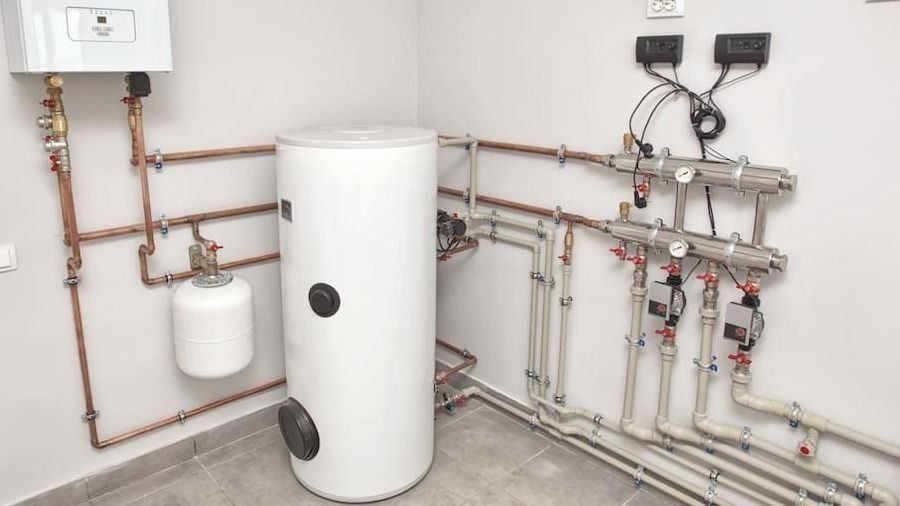
When temperatures drop below freezing on Long Island, your boiler becomes essential for keeping your home warm and comfortable. However, loud banging, knocking, or rumbling from your heating system can quickly turn a cold winter day into a stressful situation.
While some boiler sounds are normal during heating cycles, persistent banging may indicate problems with water circulation, pressure, or internal components. These issues can become more noticeable during cold snaps when your heating system operates more frequently.
In this guide, we’ll explain why your boiler may bang during freezing Long Island weather, explore common causes in steam and hot-water heating systems, and discuss when you need professional boiler repair.
During prolonged freezing weather, your home loses heat faster. As a result, your boiler may run longer or cycle more often to maintain your thermostat setting.
This increased demand doesn’t automatically cause boiler problems, but it can make existing issues more noticeable. Sounds that occur occasionally during mild weather may become more frequent when the system operates throughout the day.
For example, heating pipes expand as they heat up and contract as they cool. This movement can produce occasional clicking or light knocking sounds during normal operation.
However, repeated loud banging or unusual rumbling may indicate something beyond ordinary thermal expansion. Circulation restrictions, trapped water, and mechanical problems can all affect how your heating system operates.
Understanding the difference between normal heating sounds and potentially serious warning signs matters, especially during Long Island winters, when losing heat can create additional problems for your home.
Boiler kettling describes rumbling, whistling, or kettle-like noises associated with localized overheating. It can occur when water inside parts of a hot-water heating system becomes excessively hot.
In some situations, restricted circulation or mineral deposits interfere with normal heat transfer. This can cause localized boiling or steam bubble formation, producing unusual noises as the bubbles develop and collapse.
Several conditions may contribute to kettling:
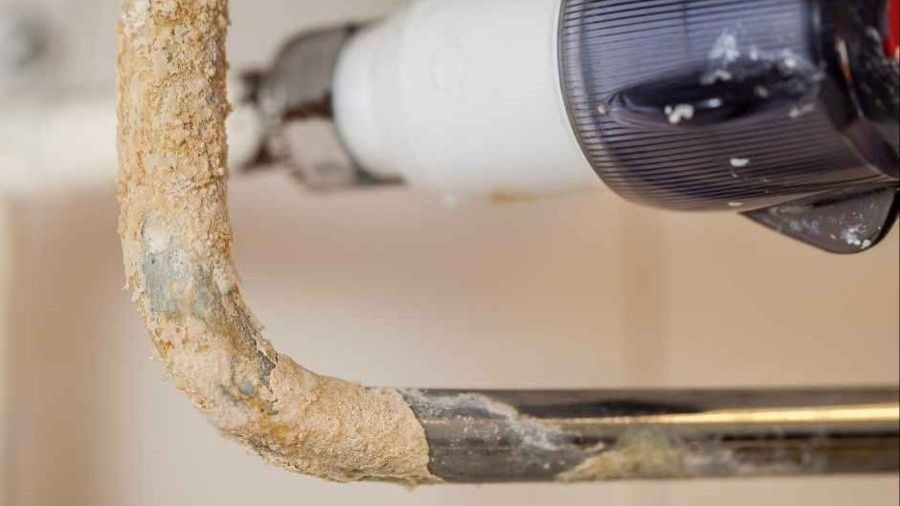
Mineral buildup: Deposits on heat-transfer surfaces can reduce heating efficiency.
Restricted circulation: Reduced water movement can contribute to localized overheating.
Circulator problems: A malfunctioning pump may prevent proper water flow.
System overheating: Temperature control problems can create abnormal operating conditions.
Other internal restrictions: Blockages or deteriorating components may affect heating performance.
Kettling doesn’t explain every banging noise, and its symptoms can resemble other boiler problems. A professional evaluation is necessary to determine whether localized overheating is occurring.
Ignoring persistent rumbling may allow an underlying circulation or heating problem to worsen. Professional boiler maintenance can help identify contributing conditions before they affect system reliability.
Water hammer commonly causes loud banging noises in certain steam heating systems. Unlike hot-water boilers, steam boilers produce steam that travels through pipes to radiators throughout the home.
As steam releases heat, it condenses back into liquid water. This condensate must return through the system along the appropriate drainage paths.
When water accumulates where it shouldn’t, moving steam can push against the collected condensate. This movement can create loud banging or hammering sounds inside the piping.
Common contributors to steam system water hammer include:
Improperly pitched steam pipes.
Condensate collecting in low sections of piping.
Drainage restrictions that interfere with condensate return.
Improperly operating steam system components.
System conditions that allow excessive water accumulation.
Water hammer may be particularly noticeable when the heating system starts operating after a period of inactivity. During cold snaps, frequent heating cycles can make these noises more disruptive.
Although some homeowners describe any pipe banging as water hammer, hot-water heating systems can produce similar sounds for different reasons. Identifying your boiler type is essential to choosing the right repair.
Persistent steam system water hammer deserves professional attention because the underlying conditions may affect piping and heating performance.
Hot-water boilers operate differently from steam systems. Instead of producing steam for distribution, they circulate heated liquid water through radiators, baseboards, or other heating components. When air gets trapped in a hot-water heating system, it can disrupt normal circulation. Homeowners may notice gurgling, bubbling, or unusual movement-related sounds.
Trapped air can also contribute to uneven heating. Certain radiators or baseboards may remain cooler than expected because water isn’t circulating properly.
However, air-related problems don’t always produce loud banging. Forceful knocking may indicate another issue involving water flow, pressure, or pipe movement.
Circulator pumps and other components can also develop problems that affect heating performance. If water isn’t moving through the system as intended, you may hear unusual noises and experience inconsistent temperatures.
Although some heating systems have procedures for removing trapped air, homeowners should avoid opening pressurized components without proper knowledge. A qualified technician can identify the source of circulation problems and perform the appropriate repairs.
Boilers operate within specific temperature and pressure ranges established by their design. When operating conditions fall outside those ranges, unusual noises or performance problems may develop.
In hot-water heating systems, an expansion tank helps accommodate changes in water volume as temperatures rise. If the expansion tank or another pressure-control component malfunctions, system pressure may become unstable.
Abnormal pressure conditions can contribute to heating problems and require professional diagnosis. However, pressure readings alone don’t necessarily identify the cause of a banging noise.
Thermal expansion is another possible explanation for knocking sounds. As heated pipes expand, they may shift slightly against framing, supports, or other surrounding surfaces. This movement can create clicking or tapping noises, especially when the heating system starts or stops.
Occasional light sounds may be relatively harmless, but repeated forceful banging shouldn’t be dismissed as normal expansion. A technician can determine whether the noise comes from ordinary pipe movement or an underlying mechanical problem.
Not every boiler noise indicates an emergency, but certain symptoms suggest that your heating system needs prompt professional attention. This is especially important during freezing Long Island weather when dependable heating helps protect both your comfort and your home’s plumbing.
Warning signs that deserve attention include:
Repeated loud banging: Persistent or worsening noises may indicate water hammer or mechanical problems.
Water leaks: Moisture around the boiler or nearby piping can signal damaged components.
Unusual pressure readings: Pressure outside the manufacturer’s recommended operating range requires evaluation.
Loss of heat: A boiler that cannot maintain indoor temperatures may have a significant operating problem.
Frequent shutdowns: Repeated interruptions can indicate safety controls responding to an underlying issue.
Unusual combustion conditions: Soot, smoke, or abnormal odors may indicate a serious problem with your heating equipment.
If you suspect a gas leak, leave the building immediately and contact your gas utility or emergency services from a safe location. Never attempt to locate or repair a suspected gas leak yourself.
If a carbon monoxide alarm sounds, move everyone outside to fresh air and contact emergency services. Do not reenter the building until authorities confirm it’s safe. These situations require immediate attention, not routine troubleshooting.
If your boiler begins making unusual noises, gathering basic information can help a heating professional identify the problem. However, homeowners should avoid attempting internal repairs or adjusting unfamiliar boiler controls.
Start by noting when the noise occurs. Banging during startup may suggest different conditions than noises that develop after the system has been operating for an extended period.
You can also observe whether the sound originates near the boiler, inside heating pipes, or around individual radiators. This information may help narrow down the potential causes.
Consider these safe steps:
Note whether banging occurs during startup, active heating, or shutdown.
Check whether rooms are heating evenly.
Look for visible leaks without touching hot equipment.
Observe accessible pressure or temperature gauges without adjusting controls.
Record when the noises started and whether they’re becoming more frequent.
Schedule professional service if the sounds persist or worsen.
Avoid opening boiler components, draining the system, adjusting pressure controls, or working on gas connections. These tasks can create safety hazards and may worsen the underlying problem.
If your boiler stops heating during freezing weather, contact a heating professional promptly. Prolonged heat loss can also increase the risk of frozen plumbing in vulnerable areas of your home.
A boiler making banging noises during a Long Island cold snap may be experiencing water hammer, kettling, circulation problems, or ordinary pipe expansion. Determining the cause requires understanding your heating system and how its components operate.
At NH Ross, we help Long Island homeowners address heating problems and maintain dependable indoor comfort throughout the winter. Our team can evaluate unusual boiler noises, identify potential mechanical issues, and recommend appropriate maintenance or repairs.
Whether your boiler has started making loud knocking sounds or you’re concerned about declining heating performance, addressing the problem early can help prevent additional complications. Contact NH Ross today to schedule professional boiler repair or maintenance and keep your home comfortable during Long Island’s coldest weather.