Serving Suffolk
& Nassau County
& Nassau County

Family Owned & Operated Since 1971!
A hot second floor is one of the most common summer comfort problems in Long Island homes. The first floor may feel reasonably cool while upstairs bedrooms remain stuffy, humid, and uncomfortable long after the air conditioner turns on.
Some temperature difference between floors is normal, but a large gap can point to problems involving attic heat, insulation, ductwork, airflow, thermostat placement, or cooling equipment performance. Lowering the thermostat may provide temporary relief, but it can also increase energy use without addressing the actual cause.
In this guide, we will explain why the second floor of your Long Island home stays hot, which steps you can try on your own, and when to schedule professional cooling service.
Warm air naturally rises while cooler air settles lower in the home. This movement can make upstairs spaces warmer, especially when stairways, open foyers, and hallways allow heat to travel between floors.
The second floor is also located directly beneath the attic and roof. During sunny summer days, roofing materials absorb heat and transfer it into the attic. Some of that heat can then move through the ceiling and into upstairs rooms.
A slight temperature difference may be expected, but the second floor should not remain excessively hot throughout the day or fail to cool at night. Persistent discomfort usually means another issue is making the natural heat imbalance worse.
Attic temperatures can climb well above the outdoor temperature during a sunny Long Island afternoon. If the attic lacks adequate insulation, air sealing, or ventilation, heat can move into the second-floor living space.
Attic heat may enter upstairs rooms through:
Thin or uneven insulation
Gaps around wiring and plumbing penetrations
Unsealed attic access hatches
Recessed lighting openings
Poorly insulated ductwork
Inadequate attic ventilation
Air leaks around ceiling fixtures
The rooms directly below the roof often feel the effect first. Bedrooms may become especially uncomfortable in the late afternoon because the roof has absorbed heat for several hours.
Improving attic insulation and sealing air leaks can reduce the amount of heat entering the home. However, attic improvements will not correct a failing air conditioner or damaged duct system, so the entire cooling setup should be considered.
Your attic may be a major source of upstairs heat if you notice:
Second-floor ceilings feel warm
Upstairs rooms heat up quickly in the afternoon
Bedrooms remain hot after sunset
The first floor cools much faster than the second
Energy bills increase during summer
Insulation appears thin, compressed, or uneven
The attic access panel feels hot
Rooms beneath roof slopes are especially uncomfortable
A professional evaluation can help determine whether the problem involves insufficient insulation, attic airflow, duct heat gain, or multiple issues working together.
Even a properly operating air conditioner cannot cool the second floor if enough conditioned air does not reach the upstairs rooms.
Weak airflow may be caused by:
A dirty air filter
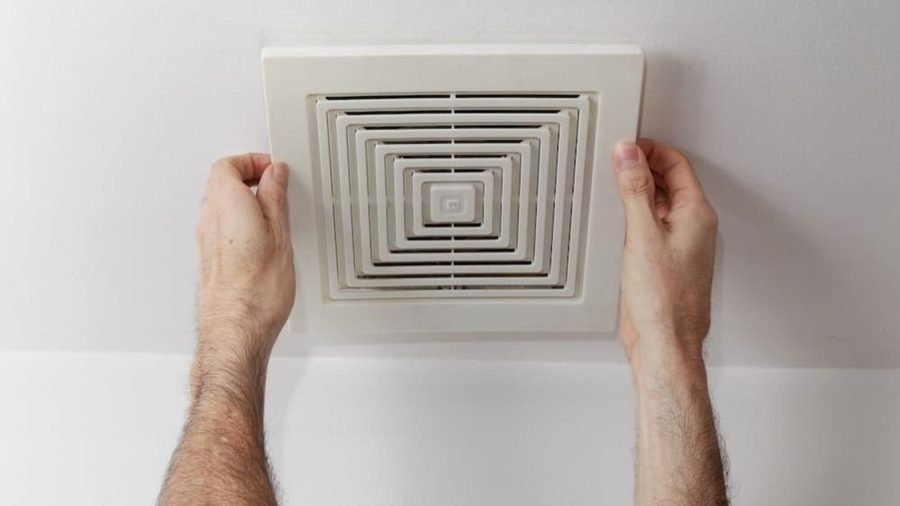
Closed or blocked supply vents
Furniture covering return vents
Incorrect damper settings
Ducts that are too small
Loose or disconnected duct sections
A dirty evaporator coil
Blower motor problems
Poorly designed return airflow
Upstairs rooms are often farther from the central air handler than downstairs spaces. If the duct system was not designed or balanced correctly, cooled air may take the easiest route and flow primarily to the lower level.
Closing several downstairs vents is not usually a good long-term solution. That approach can increase pressure inside the duct system, reduce overall airflow, and create additional strain on the equipment.
Many Long Island homes have ductwork that runs through the attic. These ducts are surrounded by extremely hot air during the summer.
If the duct insulation is damaged or inadequate, cooled air can gain heat before reaching the second-floor vents. Leaks at duct joints may also release conditioned air into the attic.
Return duct leaks can create another problem by pulling hot, dusty, humid attic air into the HVAC system. This can reduce cooling performance and indoor air quality at the same time.
Possible signs of duct problems include:
Weak airflow from upstairs vents
Excessive dust
Hot and cold spots
High utility bills
Rooms that never reach the thermostat setting
Visible gaps or damaged duct insulation
Whistling sounds near vents
A duct inspection can identify leakage, insulation damage, airflow restrictions, and layout problems that may be contributing to upstairs discomfort.
Most two-story homes have one thermostat located on the first floor. The thermostat responds to the temperature in that area, not the temperature in upstairs bedrooms.
Once the first floor reaches the selected setting, the thermostat tells the air conditioner to shut off. The upstairs may still be several degrees warmer, but the system has no way to recognize that difference.
This problem can become more noticeable when the thermostat is located near:
A supply vent
A shaded hallway
A cool interior wall
The bottom of a staircase
A room with limited sun exposure
The thermostat may be accurately measuring the area around it while failing to represent conditions throughout the home.
An older air conditioner may lose cooling capacity as coils, motors, electrical components, and the compressor wear down. The system may still run, but it may no longer move enough cool air to maintain comfortable temperatures upstairs.
An undersized AC can create similar symptoms. During mild weather, it may appear to work normally. During Long Island heat and humidity, it may run continuously without reaching the thermostat setting.
Warning signs include:
Very long cooling cycles
Constant operation
Warm upstairs rooms
Weak airflow
Rising energy bills
Frequent repairs
Poor humidity control
Difficulty cooling the home after sunset
Before recommending replacement, an HVAC technician should evaluate the system’s condition, refrigerant performance, airflow, ductwork, and the home’s actual cooling needs.
A larger system does not always provide better comfort. An oversized air conditioner may cool the first floor quickly and shut off before enough conditioned air reaches the second floor.
Short cooling cycles can also reduce humidity removal. The downstairs may feel cold while upstairs rooms remain warm and sticky.
Possible signs of an oversized AC include:
Frequent starts and stops
Short cooling cycles
Uneven temperatures
High indoor humidity
Sudden blasts of cold air
Premature equipment wear
Proper equipment sizing should be based on a professional load calculation, not just the size of the old system or the home’s square footage.
Second-floor rooms often receive more direct sunlight than downstairs spaces. Large windows, west-facing bedrooms, skylights, and limited outdoor shade can add substantial heat during the afternoon.
Simple improvements may include:
Closing blinds during peak sunlight
Installing insulated curtains
Using exterior shading where appropriate
Sealing gaps around windows
Replacing damaged weatherstripping
Applying approved window films
Keeping doors to unused rooms open for airflow
These steps may reduce heat gain, but they will not solve mechanical problems or serious airflow limitations.
Homeowners can safely check a few basic items before calling for cooling repair:
Replace a dirty HVAC filter
Confirm all upstairs vents are open
Remove furniture or rugs blocking returns
Set ceiling fans to rotate counterclockwise
Close blinds during the hottest part of the day
Keep interior doors open when possible
Confirm the thermostat fan is set to “auto”
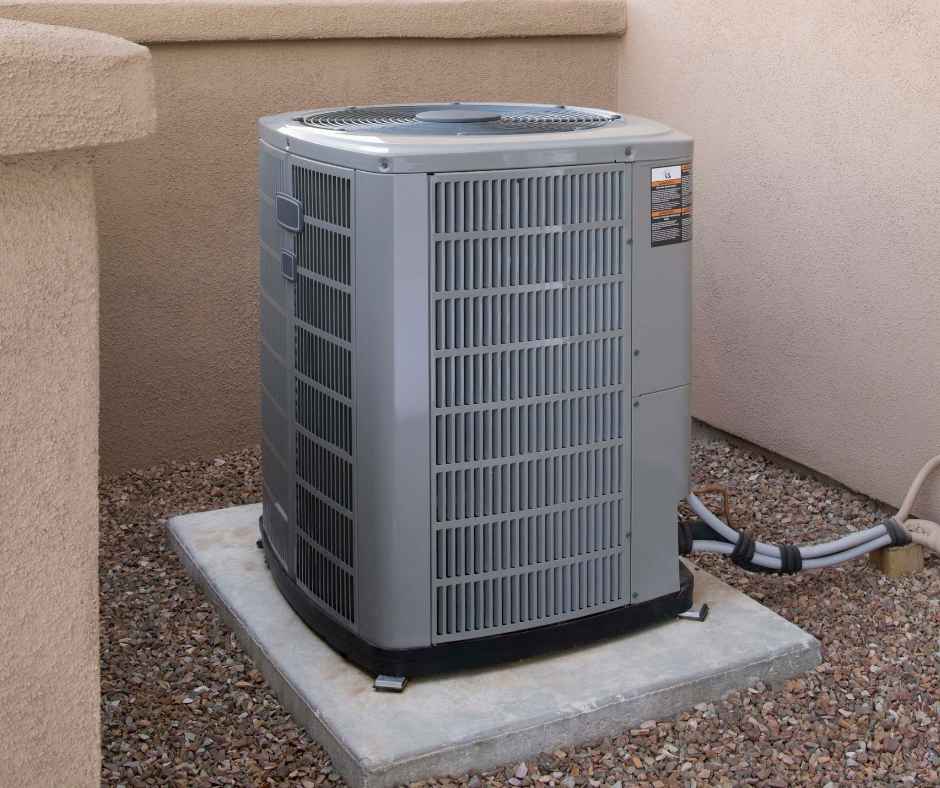
Check whether the outdoor unit is blocked by debris
Look for visible ice on refrigerant lines
Compare airflow between upstairs and downstairs vents
Do not open HVAC equipment panels or attempt refrigerant repairs. If airflow remains weak or the system is not cooling, schedule a professional inspection.
Professional cooling service is recommended when the upstairs remains hot despite basic adjustments or when the system shows signs of mechanical trouble.
Call for service if you notice:
Warm air coming from vents
Weak or inconsistent airflow
Ice on the indoor coil or refrigerant line
Water leaking near the air handler
Constant AC operation
Frequent short cycling
Unusual buzzing, rattling, or hissing
Sudden increases in energy use
Poor humidity control
Large temperature differences between floors
These symptoms may indicate restricted airflow, a refrigerant leak, a frozen coil, a blower problem, duct leakage, or another issue that requires professional diagnosis.
A zoned HVAC system uses multiple thermostats and motorized duct dampers to direct cooling where it is needed. One zone may serve the first floor while another controls the second floor.
Zoning can help reduce temperature differences and give homeowners more control over separate areas. However, zoning must be designed correctly. Adding dampers to an existing system without evaluating airflow and equipment capacity may create pressure problems.
A technician can determine whether the current duct system and air conditioner are compatible with zoning.
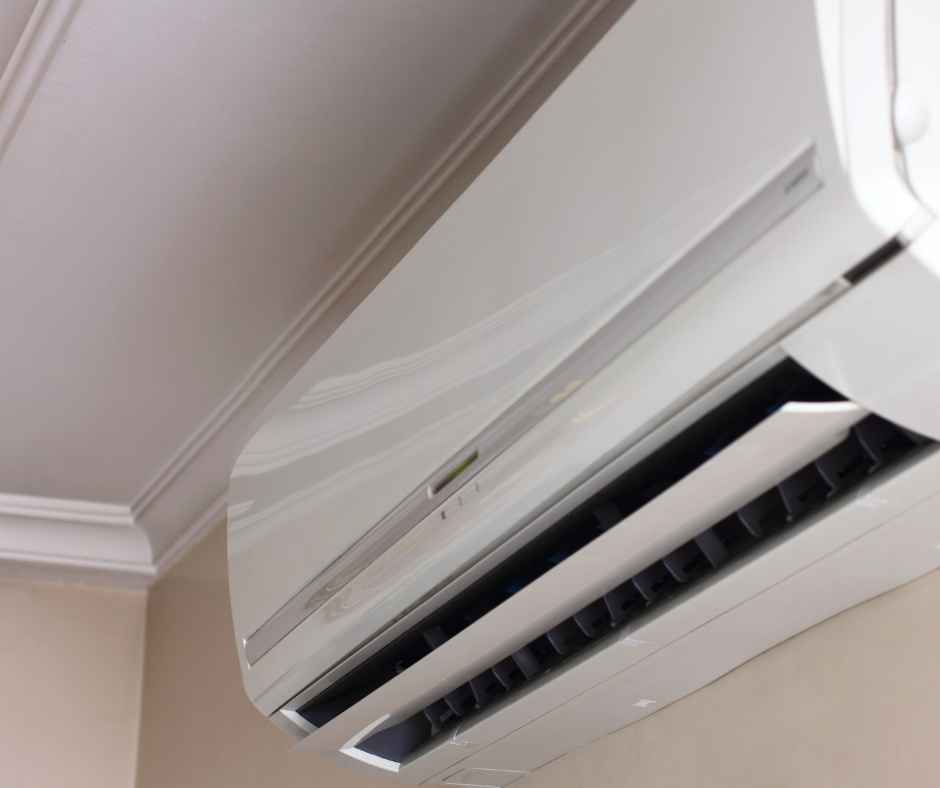
A ductless mini-split can be a practical solution for one or two upstairs rooms that remain difficult to cool.
Ductless systems may work well for:
Converted attics
Home additions
Bonus rooms
Bedrooms above garages
Areas without existing ductwork
Rooms with persistent temperature problems
A mini-split provides independent temperature control without requiring major duct modifications. It should still be properly sized and installed based on the room’s cooling load.
The right solution depends on the cause of the problem.
A repair may be enough if the issue involves a failed capacitor, dirty coil, blower motor, clogged filter, or refrigerant problem. Duct sealing or balancing may help when airflow is the main concern. Insulation and air sealing may reduce heat entering from the attic.
System replacement may deserve consideration when the AC is aging, inefficient, frequently breaking down, or incorrectly sized. In some homes, zoning or a ductless system may provide better comfort without replacing the entire HVAC setup.
The goal is not simply to make the upstairs colder. It is to correct the underlying imbalance so the entire home cools more evenly and efficiently.
A hot second floor can be caused by attic heat, poor insulation, duct leaks, weak airflow, thermostat placement, window heat gain, or an air conditioner that is no longer performing properly. Because several problems can create similar symptoms, a professional inspection is often the fastest way to identify the right solution.
NH Ross can evaluate your cooling system, ductwork, airflow, and home comfort concerns to determine why your upstairs rooms stay hot. To restore more even cooling throughout your Long Island home, contact us today to schedule service.