Serving Suffolk
& Nassau County
& Nassau County

Family Owned & Operated Since 1971!
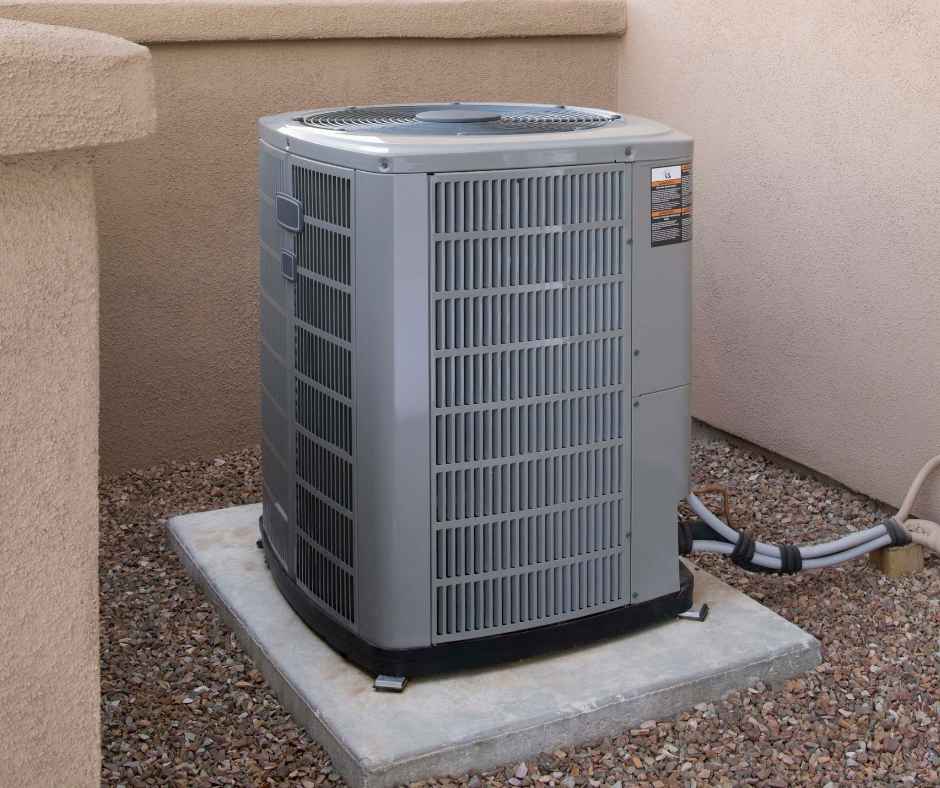
An AC tune-up is the right choice when your system is still running but needs seasonal cleaning, inspection, and performance optimization before summer. AC repair makes more sense when your system shows clear warning signs like weak airflow, warm air, strange noises, water leaks, or uneven cooling that point to a problem that maintenance alone will not fix.
If your AC is freezing up, it may be time to schedule professional AC repair or AC maintenance to restore proper airflow and prevent further damage. Addressing these issues early helps improve efficiency and avoid costly breakdowns.
Many Long Island homeowners wait until the first hot stretch of weather to think about their air conditioner. That is usually when the real question shows up: does the system just need a tune-up, or is something actually wrong?
The difference matters. Choosing a tune-up when the unit really needs repair can leave you dealing with poor cooling and a breakdown later. Choosing repair when the system only needs maintenance can mean overreacting to a problem that is still manageable.
In this guide, you will learn the difference between an AC tune-up and AC repair, what symptoms point to each one, and how Long Island homeowners can make the right call before summer demand ramps up.
An AC tune-up is routine preventive maintenance. The goal is to clean, inspect, test, and adjust the system to run more efficiently and reliably during the cooling season.
A tune-up usually focuses on things like:
A tune-up is about prevention. It helps catch small issues early and gives the system a better chance of making it through summer without trouble.
AC repair is needed when something is not working the way it should. That means there is already a performance problem, a failed part, or a clear sign that the system is struggling.
Repair may be needed when:
Repair is not preventive. It is corrective.
A tune-up is usually the right call when the system is still operating but has not been professionally checked recently.
This is often the best choice when:
In other words, if the system is functioning but overdue for attention, a tune-up is usually the right first step.
Repair makes more sense when the system is giving you clear signs that something is wrong right now.
That includes problems like:
When those symptoms show up, maintenance alone is usually not enough.
Sometimes, yes.
A tune-up can correct minor issues such as dirt buildup, airflow restriction, thermostat settings, loose connections, or early wear related to maintenance. That is one reason tune-ups are so valuable. They can restore performance before the homeowner experiences a larger failure.
But a tune-up is not a substitute for repair when a component has failed or the system already has a major cooling problem.
Long Island homeowners should lean toward repair when they notice symptoms that point to an active malfunction rather than general wear.
The biggest warning signs include:
These signs usually mean something needs to be diagnosed and fixed, not just cleaned and checked.
That is where many homeowners get stuck.
If the AC still turns on, it can be tempting to assume it only needs a tune-up. But a system that technically runs is not the same as a system that runs well.
If your air conditioner is:
then the problem may be bigger than routine maintenance.
Yes, and that is one of the biggest benefits.
A seasonal tune-up can catch early issues before they become more serious. It can also reduce strain on the system by improving airflow, cleaning buildup, and identifying worn parts before they fail during peak summer use.
That does not mean tune-ups prevent every repair. But they often reduce the chances of a surprise breakdown when the system is working hardest.
Yes, but age is only part of the picture.
A newer system with no repair history may only need a tune-up if performance has slipped slightly. An older system with repeated issues may need repair, even if the latest symptoms seem small at first.
Age matters most when it is combined with:
If the system is older and already showing repair symptoms, it is important not to assume maintenance alone will solve it.
If you are not sure whether the problem is maintenance-related or a true repair issue, the best step is a professional evaluation.
That is especially true when:
A proper inspection can tell you whether the unit just needs a tune-up, needs repair, or may be showing signs of a larger issue.
Because small AC issues rarely get easier once the weather turns hot and humid.
A system that seems manageable in mild weather can fall behind fast once summer heat arrives. That is why spring and early summer are the best times to decide whether your AC needs preventive service or actual repair work.
The earlier the issue is identified, the better your chance of avoiding:
When deciding between an AC tune-up and AC repair, these are usually the factors that matter most:
An AC tune-up and an AC repair are not the same thing, and choosing the right one can make a big difference in comfort, cost, and reliability. If your system is simply overdue for seasonal care, a tune-up may be all you need. If it is already struggling, making noise, leaking, or failing to cool properly, repair is usually the smarter move.
NH Ross can help Long Island homeowners figure out whether their system needs maintenance, repair, or a closer look before summer puts it to the test. If your AC is not performing the way it should, contact us today.