Serving Suffolk
& Nassau County
& Nassau County

Family Owned & Operated Since 1971!
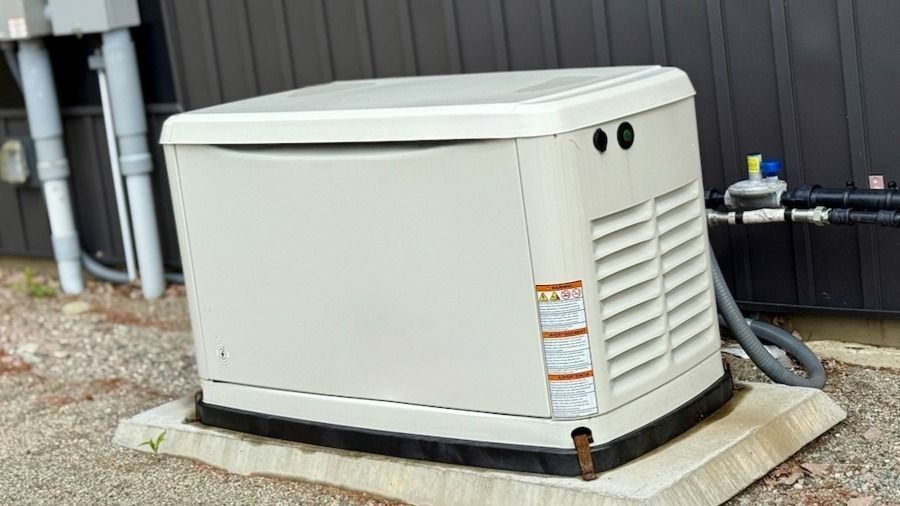
A whole-home generator can be a practical investment for Long Island homeowners who want reliable backup power during severe storms and extended outages. It can keep critical systems running automatically, but the right setup depends on your electrical load, fuel source, property layout, installation requirements, and budget.
In this guide, you will learn how to decide whether a whole-home generator makes sense for your property, how generator sizing works, which appliances matter most, and what to expect from installation and maintenance. The goal is to help you make a clear decision before the next outage puts your home to the test.
For many homeowners, yes. A whole-home standby generator can provide automatic backup power when utility service goes down, helping maintain important systems such as heating, refrigeration, lighting, pumps, medical equipment, and communications.
It may be especially worthwhile if outages create more than a minor inconvenience for your household.
Consider:
How often outages affect your area
How long you can comfortably go without power
Whether heating or cooling is essential
Whether you rely on medical equipment
Whether you have sump or well pumps
Whether food storage is a major concern
Whether you work from home
Whether you want automatic operation
Whether your property can support the installation
A generator is most valuable when it protects the systems you actually depend on.
The impact of an outage varies widely from one household to another.
For some homeowners, losing power means a few dark rooms and a refrigerator that cannot be opened too often. For others, an outage may interrupt heating, medical equipment, pumps, security systems, internet access, and other essential functions.
Longer outages can create additional problems. Refrigerated food may spoil, sump pumps may stop working, and electrically powered heating equipment may become unavailable. If the outage occurs during extreme weather, indoor comfort can become a much bigger concern.
Think about what your household would lose during a full day without electricity, then consider what would happen if the outage lasted several days.
That exercise often makes the generator decision much easier.
Whole-home backup does not always mean every appliance must operate at the same time.
Some homeowners want only essential systems available. Others want enough capacity to keep most of the house functioning normally.
The answer directly affects generator size.
Common high-demand loads include:
Central air conditioning
Electric heating
Electric water heaters
Electric ranges
Clothes dryers
Well pumps
Pool equipment
EV chargers
A generator that supports refrigeration, lighting, heating, and a few essential outlets may be much smaller than one designed to run nearly every major electrical load in the home.
This is why generator sizing should be based on electrical demand rather than square footage alone.
Two similarly sized Long Island homes can require very different generator capacities depending on their appliances and electrical systems.
Before choosing equipment, make a priority list.
For many households, the most important loads include the refrigerator, freezer, heating system, selected lighting, internet equipment, medical devices, sump pumps, security systems, and essential kitchen circuits.
Some homeowners may also want central air conditioning available during warm-weather outages.
It helps to separate loads into two categories: must-have and nice-to-have.
For example, you may consider refrigeration and heating essential while deciding that an electric dryer, pool heater, or EV charger can remain off until utility service returns.
This approach can reduce the required generator capacity and may also reduce installation cost.
It also gives the installer a much clearer picture of what the system needs to support.
Fuel availability is one of the biggest practical factors in generator planning.
Natural gas can be convenient for homes that already have utility gas service. The generator can draw from the existing supply without requiring an on-site storage tank.
That convenience does not eliminate the need for evaluation. The gas service and piping still need to be capable of supporting the generator along with other gas appliances.
Propane can be a good option when natural gas is not available. It gives the homeowner an on-site fuel supply, but the property needs space for an appropriately sized tank.
The amount of stored fuel also affects how long the generator can operate during an extended outage.
Neither option is automatically better.
The right choice depends on:
Existing utility service
Property space
Fuel availability
Expected generator runtime
Generator size
Installation logistics
Fuel planning should happen before the final generator is selected.
A permanently installed standby generator is designed to respond automatically when utility power fails.
The system works with an automatic transfer switch. When the switch detects an outage, it disconnects the home from utility power and transfers the selected circuits or electrical service to the generator.
The generator starts and provides backup power without the homeowner needing to move equipment or connect extension cords.
When utility service returns, the transfer switch moves the home back to normal power and allows the generator to shut down.
This automatic operation is one of the main reasons homeowners choose standby generators instead of relying only on portable equipment.
It can be especially useful when an outage occurs overnight, during severe weather, or while no one is home.
A whole-home generator installation is more involved than placing equipment outside and connecting a cable.
The project may include:
Generator placement
A concrete or approved mounting pad
Electrical connections
Automatic transfer equipment
Fuel piping
Electrical panel integration
Permits
Inspections
Testing and startup
The location matters because the generator needs appropriate clearance, safe exhaust routing, weather exposure protection, fuel access, and room for future service.
The distance between the generator, electrical panel, and fuel source can also affect the complexity of the installation.
A well-planned installation takes the entire property into account instead of treating the generator as a standalone appliance.
Whole-home generator costs vary because the equipment is only one part of the project.
Important cost factors include:
Generator capacity
Equipment brand and model
Automatic transfer equipment
Fuel source
Fuel-line installation
Generator location
Distance from the electrical panel
Site preparation
Electrical modifications
Permit and inspection requirements
Load-management equipment
Installation complexity
A home with an accessible electrical panel and existing natural gas service may have a simpler project than a property requiring long electrical runs, propane storage, or panel modifications.
This is why generic online pricing can only provide a rough starting point.
The most useful estimate is one based on your actual home, electrical system, fuel source, and backup-power goals.
Some properties require more planning than others.
Potential complications can include:
Limited outdoor space
Older electrical panels
Long fuel runs
Long electrical runs
High household demand
Lack of natural gas service
Difficult access around the property
Existing electrical problems
Limited room for propane storage
These conditions do not necessarily prevent installation. They simply affect the scope of the work.
For example, an older electrical panel may need evaluation before new standby equipment is connected. A property with heavy electrical demand may require a larger generator or load-management strategy.
The best approach is to identify these conditions before ordering equipment.
A standby generator should not be installed and forgotten.
The system may spend months waiting for an outage, so routine maintenance is important if you expect it to start automatically when needed.
Depending on the equipment, maintenance may include:
Oil and filter changes
Battery checks
Fuel-system inspection
Electrical inspection
Cleaning
Reviewing fault codes
Testing automatic transfer operation
Confirming exercise cycles
Many standby generators run automatic exercise cycles to help verify that the engine can start and operate.
Pay attention to warning lights, fault codes, or maintenance reminders. A system that worked during the last outage is not guaranteed to be ready for the next one without regular care.
A backup generator provides the most value when it starts the moment utility power fails, which makes maintenance part of storm preparation.
A whole-home generator may be a strong fit if outages create major disruption for your household.
It may make sense when:
You rely on electric heating or cooling
You have medical equipment that needs power
You want refrigeration to remain available
You have sump or well pumps
You work from home
You want automatic backup power
You prefer not to set up a portable generator during a storm
You expect to stay in the home long enough to value the investment
It may be less important for someone who experiences minimal disruption during outages and is comfortable with a smaller backup solution.
The decision should come down to how much reliability matters to your household and whether the installation fits your property and budget.
A whole-home generator can give Long Island homeowners greater control during storm-related outages, but the best system is one chosen around the needs of the property rather than the biggest model available.
Generator sizing, fuel source, electrical capacity, transfer equipment, installation conditions, maintenance, and budget all matter. Planning ahead gives you time to evaluate those factors before severe weather creates pressure to make a quick decision.
NH Ross helps Long Island homeowners evaluate whole-home generator options, electrical requirements, installation needs, and ongoing service. If you are considering backup power for your home, contact us today to discuss whether a standby generator is the right fit for your property.