Serving Suffolk
& Nassau County
& Nassau County

Family Owned & Operated Since 1971!
Older Long Island homes may benefit from either ductless mini-splits or central AC, depending on existing ductwork, home layout, insulation, room-by-room comfort needs, and budget. Ductless mini-splits are often a strong choice for homes without ducts, additions, sunrooms, finished basements, or rooms that never cool evenly, while central AC may be better for whole-home cooling when usable ductwork already exists.
Older Long Island homes have character, charm, and layouts that are not always friendly to modern cooling systems. Many were built before central air conditioning became common, which means homeowners may be dealing with limited ductwork, hot second floors, sunrooms, additions, finished basements, or window units that no longer keep up.
In this guide, we will compare ductless mini-splits and central AC for older Long Island homes, explain where each option works best, and help you know when to call NH Ross for professional cooling guidance.
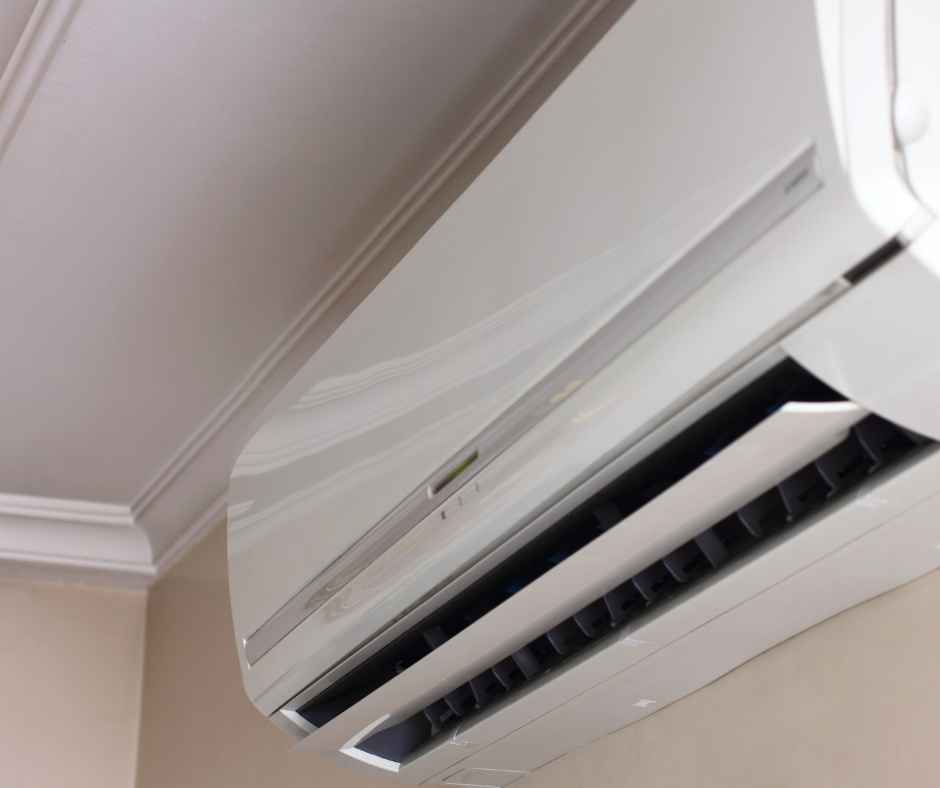
A ductless mini-split cools specific rooms or zones without using traditional ductwork. It usually includes an outdoor unit connected to one or more indoor air handlers. Each indoor unit serves a specific area, which gives homeowners more room-by-room control.
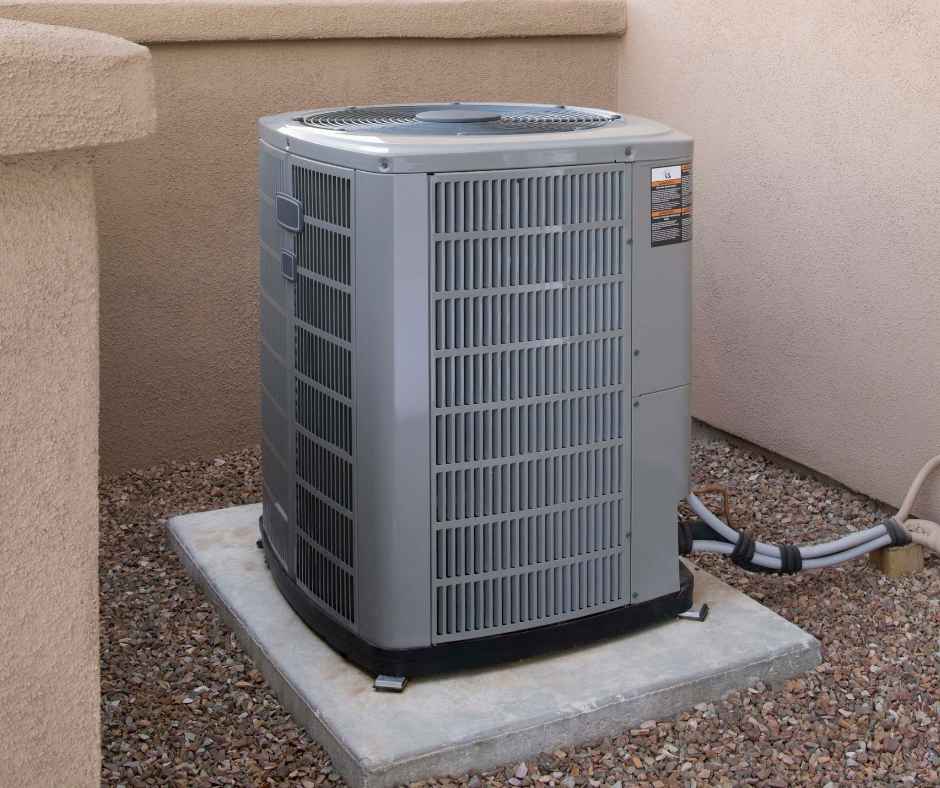
Central AC cools the home through a duct system. A central system uses an indoor coil, an outdoor condenser, a blower, and ductwork to distribute cooled air throughout the house.
The main difference is how air is delivered:
For older Long Island homes, that difference matters because many homes were not built with modern ductwork in mind.
Older homes often have unique layouts, finished attic spaces, smaller closets, plaster walls, limited chases for ductwork, and room-by-room insulation. Additions and renovations over the years can make cooling even more complicated.
Older Long Island homes may struggle with:
A system that works well in a newer home may not be the right fit for an older home with tight spaces or uneven heating and cooling needs.
A ductless mini-split is often the better choice when the home lacks usable ductwork or when specific rooms need targeted comfort.
Ductless mini-splits may be ideal for:
Because ductless systems avoid the installation of large ducts, they can be less disruptive in older homes. Instead of opening walls, ceilings, or closets for duct runs, a mini-split can provide direct comfort to problem areas.
Central AC may be the better choice when the home already has usable ductwork or when the homeowner wants one system to cool the entire home evenly.
Central AC may make sense if:
Central AC can be a strong choice when the ductwork is reliable. The key is making sure the ducts are not leaking, undersized, poorly insulated, or badly balanced.
Ductwork is one of the biggest deciding factors. If your older Long Island home already has ducts, they need to be inspected before installing or replacing a central AC system.
Ducts should be checked for:
If ducts are in poor condition, a new central AC system may still struggle. In that case, duct repairs, duct replacement, or ductless zoning may be a better option.
If the home has no ducts, adding central AC can be more involved. It may require opening walls or ceilings, using attic or basement space, and making room for supply and return runs.
Uneven cooling is common in older homes. One room may feel comfortable while another stays hot. Second floors often overheat, and additions may never feel connected to the rest of the home.
Ductless mini-splits can help with uneven cooling because each zone can be controlled separately. This is useful when:
Central AC can also solve uneven cooling if the system is properly sized and the ducts are balanced. However, if the home layout is challenging or ductwork cannot deliver air evenly, ductless systems may offer more targeted comfort.
Both ductless mini-splits and central AC systems can be efficient when installed correctly. Efficiency depends on equipment quality, system sizing, duct condition, insulation, thermostat use, and maintenance.
Ductless mini-splits can be efficient because:
Central AC can be efficient when:
If an older home has leaky ducts, ductless may reduce energy loss. If ducts are already in great condition, central AC may be efficient and convenient for whole-home comfort.
Installation cost depends on the home. Ductless mini-splits may cost less than installing a full duct system in a home with no ducts, but costs rise when multiple indoor zones are needed. Central AC may be more cost-effective if ductwork already exists and is in good condition.
Ductless installation cost depends on:
Central AC installation cost depends on:
The best cost comparison should include both upfront installation and long-term comfort, efficiency, and repair expectations.
Ductless mini-splits are often less disruptive in older homes without ducts. They usually require a small wall opening for refrigerant lines, electrical connections, and drainage, rather than full duct runs through the house.
Ductless may be less invasive when:
Central AC may be more disruptive if ducts need to be added from scratch. However, if ductwork already exists, replacing the central AC can be straightforward.
Some homeowners prefer central AC because it uses vents rather than visible wall-mounted indoor units. Others prefer ductless because it avoids adding bulky ductwork or sacrificing closet space.
Appearance considerations include:
NH Ross can help homeowners think through both comfort and appearance before choosing a system.
Yes. Many older Long Island homes do well with a hybrid approach. A home may use central AC for most of the house and ductless mini-splits for problem areas.
A combined approach may work well for:
This can be a practical solution when the existing central AC works well in most rooms but certain areas need extra help.
Many ductless mini-splits are heat pumps, which means they can provide both cooling and heating. This can be useful for rooms that need supplemental comfort year-round.
Ductless heating may help with:
Central AC is usually cooling-only unless paired with a heat pump or forced-air heating system. If you want both heating and cooling improvements, discuss the full comfort plan before choosing a system.
Before deciding, ask questions that focus on the home’s layout, existing system, and long-term comfort goals.
Helpful questions include:
A professional evaluation can help answer these questions based on your specific home, rather than a generic recommendation.
Ductless mini-splits may be the better choice if:
Ductless is especially useful when an older home has comfort problems in specific areas rather than throughout the entire house.
Central AC may be the better choice if:
Central AC works best when the duct system delivers air evenly and efficiently.
Older Long Island homes need cooling solutions that match their layout, ductwork, insulation, and comfort challenges. Ductless mini-splits are often best for homes without ducts, hard-to-cool rooms, additions, and zone control. Central AC can be the better option when reliable ductwork already exists and whole-home cooling is the goal.
If your older Long Island home is too hot, uneven, or still relying on window units, contact NH Ross today. Our team can evaluate your home and help you choose between ductless mini-splits, central AC, or a hybrid solution built for lasting comfort.