Serving Suffolk
& Nassau County
& Nassau County

Family Owned & Operated Since 1971!
Yes, whole-home surge protection is a smart investment for many Long Island homes because it helps protect appliances, HVAC equipment, smart devices, computers, TVs, and electrical systems from damaging power surges. Storms, utility grid fluctuations, downed lines, generator use, and high-demand appliances can all create voltage spikes that damage electronics over time or all at once.
Most homeowners think of power surges as something that happens during a major lightning storm. While storms can absolutely cause surge damage, they are not the only risk. Many power surges are smaller and happen inside the home when large appliances or HVAC equipment cycle on and off.
For Long Island homeowners, surge protection is especially important because homes can face coastal storms, high winds, utility interruptions, aging electrical systems, generator use, and more connected technology than ever before. One surge can damage expensive equipment, but repeated smaller surges can also shorten the life of electronics and appliances.
In this guide, we’ll explain what whole-home surge protection does, why Long Island homes are vulnerable, what it can protect, and when NH Ross can help install the right surge protection solution for your home.
Whole-home surge protection is installed at or near the electrical panel to help reduce damaging voltage spikes before they move through your home’s wiring. Instead of relying solely on plug-in power strips, a whole-home surge protector protects the entire electrical system.
A whole-home surge protector can help defend:
It does not stop every possible electrical issue, and it does not replace proper grounding, safe wiring, or point-of-use protection for sensitive electronics. But it provides an important first layer of defense.
Power surges occur when the voltage exceeds the normal level in your electrical system. Some surges are large and sudden. Others are small and repetitive.
Common causes include:
Long Island weather can make surge protection especially valuable. Strong storms, wind, rain, and outages can create electrical instability. Even when a home never takes a direct lightning strike, nearby activity or utility fluctuations can still affect the electrical system.
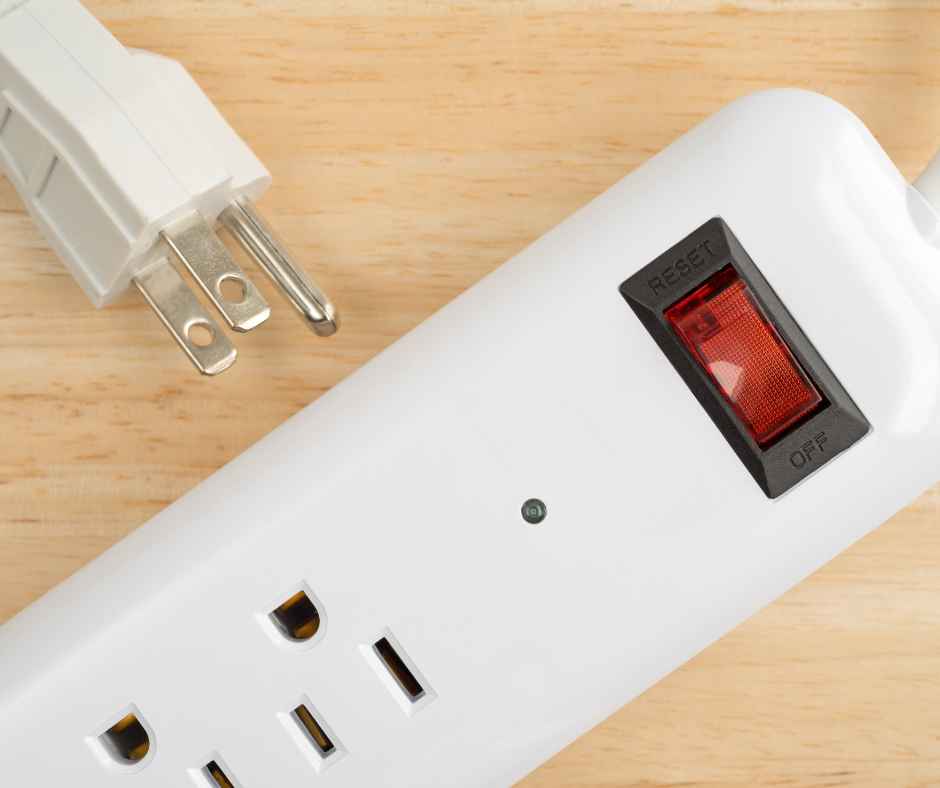
Plug-in surge protectors can help protect individual devices, but they are not the same as whole-home surge protection. A power strip protects only what is plugged into it. It does not protect hardwired equipment, appliances, HVAC systems, lighting circuits, or devices plugged into regular outlets elsewhere in the home.
Plug-in protection may help with:
Whole-home protection may help with:
The best approach is often layered protection. Whole-home surge protection helps reduce larger surges at the panel, while plug-in surge protectors add extra protection for sensitive electronics.
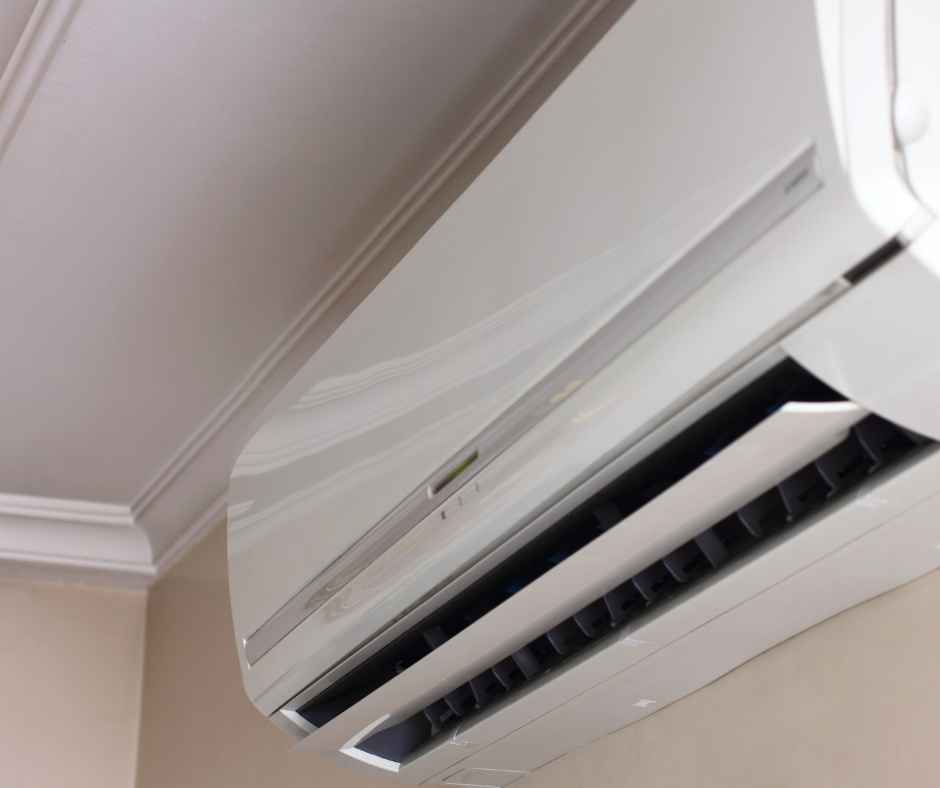
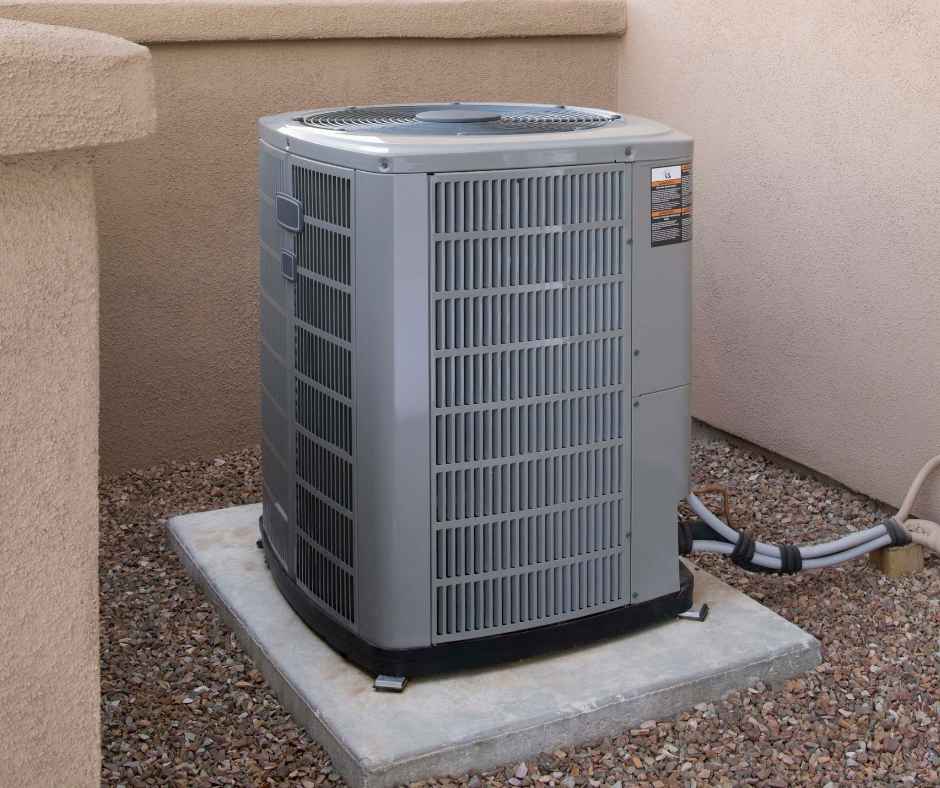
Yes. HVAC systems contain electrical components that can be damaged by power surges. Modern heating and cooling equipment often includes control boards, capacitors, motors, sensors, thermostats, and communication components that are sensitive to voltage spikes.
Surges can damage HVAC parts such as:
Sometimes surge damage causes immediate failure. Other times, the damage weakens components and causes problems weeks or months later. If your HVAC system stops working after a storm or outage, electrical surge damage may be to blame.
Today’s homes have more electronics than older homes did. Even basic appliances now often include electronic controls, circuit boards, sensors, and digital displays. That means more devices can be affected by voltage spikes.
Modern homes may include:
The more connected your home becomes, the more valuable surge protection becomes. Replacing one damaged appliance is frustrating. Replacing multiple electronics after one electrical event can be much more expensive.
Whole-home surge protection can help reduce the risk of storm-related surge damage, but it is not a guarantee against every lightning event. A direct lightning strike can create extreme electrical energy that may overwhelm protection devices.
However, many storm-related surges come from nearby strikes, utility issues, downed lines, or power restoration after an outage. Whole-home surge protection can help reduce the impact of those events.
It may help during:
For Long Island homes, where storms and outages can occur year-round, surge protection is a practical layer of electrical defense.
Yes. Not all surge damage occurs in a single dramatic event. Smaller surges can happen repeatedly when large appliances or mechanical systems turn on and off. These smaller spikes may not immediately destroy electronics, but they can wear down internal components over time.
Small surges may come from:
Over time, repeated exposure can shorten the life of electronics and appliances. Whole-home surge protection helps reduce that stress on your electrical system.
Surge damage is not always obvious. Sometimes a device fails immediately. Other times, electronics begin acting strangely after a storm, outage, or electrical event.
Possible signs of surge damage include:
If multiple devices fail around the same time, a power surge may be the cause. An electrician can inspect the panel, circuits, and affected equipment.
For many homeowners, yes. Whole-home surge protection is often worth the cost because it helps protect expensive systems that are costly to repair or replace. The value becomes clearer when you consider how many electronics and appliances are connected to the home’s electrical system.
Surge protection may be especially worth it if:
A surge protector is a preventive upgrade. You hope you never need it, but when a surge happens, protection can make a major difference.
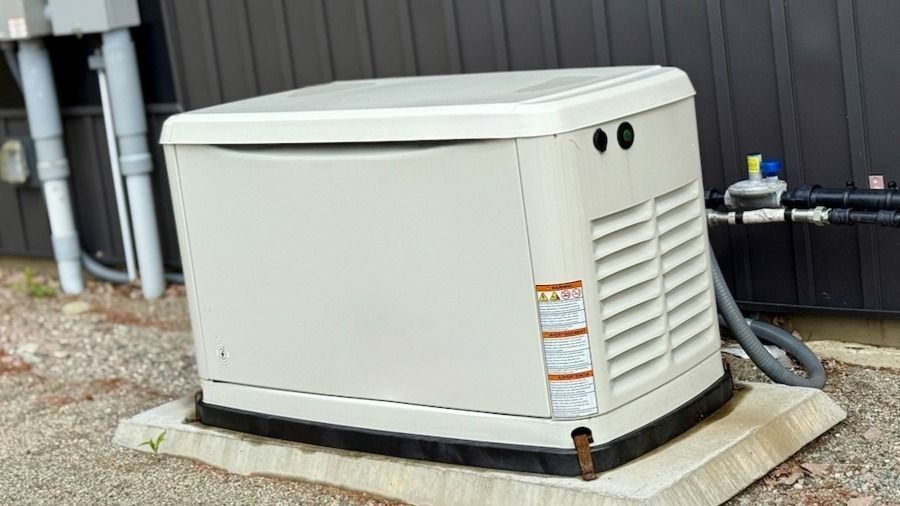
Yes, generator use can make surge protection more important. Standby and portable generator systems can create power transitions when the home switches between utility power and generator power. Those transitions should be properly managed, and surge protection can add another layer of defense.
Surge protection may be useful for homes with:
Generator systems should always be installed and connected safely. Surge protection does not replace proper generator installation, transfer equipment, or electrical code compliance, but it can help create a safer, more resilient electrical setup.
Yes. Smart home devices are vulnerable because they rely on sensitive electronics and network connectivity. A surge can damage the device itself or affect the equipment that keeps it connected.
Whole-home surge protection can help protect:
Since smart devices are often spread throughout the home, whole-home protection provides broader coverage than plug-in strips alone.
No. The right surge protection setup depends on the home’s electrical system, panel condition, grounding, equipment, and risk level. A larger home with multiple HVAC systems, smart devices, and a generator may need a different setup than a smaller home with fewer electronics.
Factors to consider include:
An electrician can inspect your electrical system and recommend a surge-protection solution that fits your home.
Whole-home surge protection should be installed by a licensed electrician. The device connects at or near the electrical panel, which means installation involves working with high-voltage equipment.
Professional installation helps ensure:
DIY panel work can be dangerous. If you want whole-home surge protection, schedule professional electrical service.
Whole-home surge protection is important, but it works best as part of a broader electrical safety plan.
Homeowners can reduce surge risk by:
Surge protection is not about one device. It is about reducing risk across the entire home.
You should call an electrician if your home has experienced surge damage, frequent outages, flickering lights, storm-related electrical issues, or if you have expensive electronics and appliances you want to protect.
Call NH Ross if:
A professional evaluation can determine whether your panel is ready for surge protection or whether electrical updates are needed first.
Whole-home surge protection is necessary for many Long Island homeowners who want to protect appliances, HVAC systems, electronics, smart devices, and electrical equipment from damaging voltage spikes. Storms, outages, utility changes, generator use, and everyday appliance cycling can all create surge risks.
If you want to protect your home before the next storm or power event, NH Ross can help. Contact us today to schedule whole-home surge protection service and add an extra layer of electrical protection for your Long Island home.