 631-924-0677

Old Boiler Woes in Huntington: Repair It Again or Choose a Modern Replacement?
When winter temperatures drop in Huntington, New York, your boiler becomes one of the most important systems in your home. But what happens when an aging boiler starts making unusual noises, struggles to heat certain rooms, or requires another expensive repair? For many Long Island homeowners, deciding whether to repair an older boiler or invest in a modern replacement can be challenging.
While some boiler problems can be resolved with relatively straightforward repairs, others may indicate that the heating system is approaching the end of its useful life. Understanding the difference can help you avoid unnecessary expenses, improve home comfort, and reduce the risk of unexpected heating failures.
In this guide, we’ll explain how long boilers typically last, which warning signs deserve attention, when repairs remain worthwhile, and how Huntington homeowners can determine whether a modern boiler replacement is the better long-term investment.
How Long Should a Boiler Last in a Huntington Home?
Residential boilers are built for long-term operation, but their lifespan depends on several factors. Equipment quality, installation, maintenance history, water conditions, and heating demand all influence how long a boiler can operate reliably.
Many residential boilers last approximately 15 to 25 years, although some well-maintained systems continue operating beyond that range. Others may require replacement earlier because of corrosion, major component failures, or recurring mechanical problems.
For Huntington homeowners living in established neighborhoods with older heating systems, equipment age is an important consideration. However, an older boiler doesn’t automatically need replacement just because it has reached a certain age.
Factors that influence boiler lifespan include:
-
Maintenance history: Regular servicing helps identify developing problems.
-
Installation quality: Proper sizing and installation support reliable performance.
-
Water conditions: Corrosion and mineral buildup can affect internal components.
-
Heating demand: Operating patterns influence wear on mechanical parts.
-
Component condition: Pumps, valves, controls, and heat exchangers deteriorate over time.
-
Previous repairs: Frequent breakdowns may indicate broader system problems.
A professional heating inspection can help determine whether your boiler remains in good condition or whether age-related deterioration is affecting its reliability.
What Are the Warning Signs Your Boiler Is Wearing Out?
Boilers rarely fail without displaying some indication that something is wrong. Recognizing changes in heating performance can help Huntington homeowners address problems before losing heat during freezing weather.
Some warning signs involve relatively minor components, while others may indicate more significant deterioration. The key is understanding whether the problem is isolated or part of a recurring pattern.
Common warning signs of an aging boiler include:
-
Frequent breakdowns: Your heating system requires repeated service calls.
-
Uneven heating: Certain rooms remain cold despite thermostat adjustments.
-
Unusual noises: Banging, knocking, or rumbling sounds develop during operation.
-
Water leaks: Moisture appears around the boiler or connected piping.
-
Rising heating bills: Fuel consumption increases without an obvious explanation.
-
Pressure problems: System pressure repeatedly drops or fluctuates.
-
Inconsistent operation: The boiler struggles to maintain comfortable temperatures.
-
Visible corrosion: Rust or deterioration appears on accessible components.
For example, banging noises may result from circulation problems, trapped air, or mineral buildup. Uneven heating might involve a malfunctioning circulator pump, thermostat issue, or distribution problem rather than the boiler itself.
However, persistent leaks, significant corrosion, or repeated failures deserve professional evaluation. Ignoring these symptoms may lead to more extensive repairs or an unexpected heating interruption.
When Does Repairing an Older Boiler Still Make Sense?
Not every boiler problem requires replacing the entire heating system. In many cases, repairing an existing boiler remains the most practical option, particularly when the equipment is otherwise reliable.
For example, a malfunctioning thermostat or a replaceable circulator pump may be causing heating problems. If the boiler’s primary components remain in good condition, addressing an isolated issue can restore dependable operation.
Boiler repair may be worthwhile when:
-
The problem is isolated: A single component has failed without evidence of broader deterioration.
-
The repair is manageable: The estimated repair cost is reasonable compared with replacement.
-
The boiler is reliable: Previous breakdowns have been infrequent.
-
Replacement parts are available: You can obtain and install the necessary components.
-
Heating performance remains strong: The system maintains comfortable temperatures.
-
The equipment is structurally sound: Major boiler components show no significant damage.
The boiler’s maintenance history should also influence your decision. A system that has received regular professional servicing may have more useful life remaining than one with years of neglected maintenance.
Before authorizing another repair, ask whether the proposed work addresses the underlying problem or simply provides a temporary solution. A qualified heating professional can help evaluate the system’s overall condition and expected reliability.
When Is Boiler Replacement the Better Long-Term Option?
Although repairs can extend a boiler’s service life, continuing to invest in an unreliable system may eventually become less economical. When breakdowns become frequent or major components deteriorate, replacement deserves serious consideration.
For Huntington homeowners, this decision becomes especially important before winter temperatures reach their lowest levels. A boiler that repeatedly struggles to provide heat may leave your household vulnerable to unexpected outages during cold weather.
Signs that boiler replacement may be the better option include:
-
Repeated expensive repairs: Service costs continue accumulating without lasting improvements.
-
Major component damage: The heat exchanger or boiler block has significant deterioration.
-
Persistent leaks: Internal corrosion or damaged components create recurring water loss.
-
Safety concerns: A professional identifies conditions that make continued operation unsafe.
-
Unavailable parts: Replacement components are difficult or impossible to obtain.
-
Declining efficiency: The boiler consumes more fuel while providing less dependable comfort.
-
Inconsistent heating: Previous repairs haven’t resolved recurring performance problems.
Instead of focusing exclusively on the price of one repair, consider the boiler’s overall condition and expected remaining service life. A relatively affordable repair may make sense for a dependable system, while another major expense on a severely deteriorated boiler may offer limited long-term value.
If your boiler has a significant leak, suspected combustion problem, or other safety concern, stop using the equipment when a qualified professional advises it. Suspected gas leaks or carbon monoxide emergencies require immediate action and appropriate emergency assistance.
Can a Modern High-Efficiency Boiler Lower Heating Costs?
One potential advantage of replacing an older boiler is improved energy efficiency. Modern heating equipment may convert a greater percentage of fuel into usable heat, helping reduce energy waste under appropriate operating conditions.
Boiler efficiency is commonly measured using Annual Fuel Utilization Efficiency, or AFUE. This rating represents how efficiently a fuel-burning heating system converts fuel into useful heat over a typical heating season.
For example, a boiler with a 95% AFUE rating is designed to convert approximately 95% of its fuel energy into useful heat under standardized testing conditions. An older, less efficient boiler may require more fuel to deliver a comparable amount of heat.
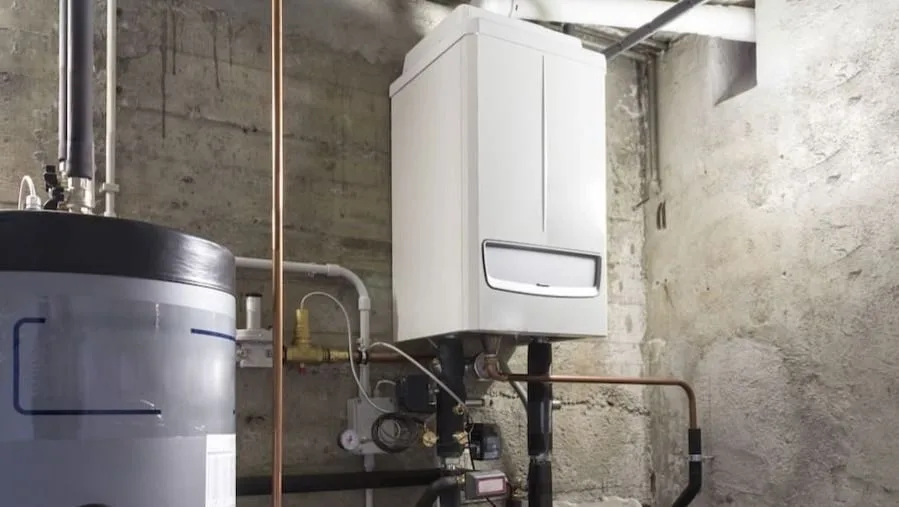
Modern high-efficiency condensing boilers can capture additional heat from exhaust gases that conventional systems typically release. However, their performance depends on proper installation, operating temperatures, and compatibility with the home’s heating distribution system.
For Huntington homeowners, a modern boiler may offer improved temperature control, more consistent heating, updated system controls, and reduced fuel consumption.
Actual savings vary based on the previous boiler’s efficiency, fuel costs, household heating demand, and installation quality. A professional assessment can help determine whether upgrading would provide meaningful efficiency improvements for your home.
What Should Huntington Homeowners Consider Before Replacing a Boiler?
Replacing a boiler involves more than selecting a newer version of your existing equipment. A properly designed heating system should match your home’s heating requirements, fuel availability, and existing infrastructure.
Huntington includes historic properties, established residential neighborhoods, and newer homes with different heating configurations. Some use hot-water radiators, while others rely on hydronic baseboard heating or additional distribution equipment.
Important boiler replacement considerations include:
-
Heating requirements: The new boiler should be sized according to the home’s heating load.
-
Fuel source: Natural gas, heating oil, and other options have different installation requirements.
-
Existing radiators: Distribution equipment must be compatible with the replacement boiler.
-
Piping condition: Older hydronic piping may require evaluation or modifications.
-
Venting requirements: Modern equipment may require different exhaust and combustion-air arrangements.
-
System controls: Thermostats and zoning equipment should work with the new boiler.
-
Installation space: The mechanical area must safely accommodate the equipment.
-
Permits and inspections: Installation must meet applicable local requirements.
Homeowners considering a switch from oil to natural gas should also evaluate fuel availability and any necessary infrastructure changes. Natural gas service isn’t available at every property, and fuel conversion may involve additional work beyond replacing the boiler.
Many boiler replacements can retain existing radiators or baseboards, but compatibility should never be assumed. Proper sizing and a thorough system evaluation are essential for dependable heating performance.
How Can Regular Boiler Maintenance Extend System Life?
Whether you decide to repair your current boiler or install a replacement, routine maintenance remains essential. Professional servicing can help identify developing problems, support efficient operation, and reduce the likelihood of unexpected breakdowns.
For Huntington homeowners, scheduling boiler maintenance before the heating season gives you a chance to address concerns before winter demand increases. A technician can evaluate appropriate components, inspect for leaks, and identify conditions that may affect performance.
Homeowners should also watch for unusual noises, pressure changes, visible moisture, and inconsistent heating. Don’t ignore these symptoms just because the boiler keeps operating.
Keep the area around heating equipment clear and maintain working carbon monoxide alarms according to applicable safety recommendations. Never bypass boiler safety controls or attempt unfamiliar repairs involving combustion components.
Although maintenance cannot prevent every breakdown, it can help protect your investment and support more dependable heating throughout Long Island’s colder months.
Make the Right Boiler Decision With NH Ross
Deciding whether to repair or replace an aging boiler requires considering more than equipment age alone. Repair frequency, component condition, heating performance, energy efficiency, and long-term expenses all influence which option makes the most sense.
At NH Ross, we help homeowners throughout Huntington and surrounding Suffolk County communities address heating concerns and evaluate their options. Whether your boiler needs a straightforward repair, professional maintenance, or a complete replacement, understanding your existing system’s condition is the first step toward an informed decision.
If your aging boiler keeps breaking down or struggles to heat your Huntington home, contact NH Ross today. Our team can evaluate your heating system, explain your repair and replacement options, and help you choose a solution that supports reliable comfort throughout the winter.