Serving Suffolk
& Nassau County
& Nassau County

Family Owned & Operated Since 1971!
As the sun begins to warm the shores of Suffolk and Nassau Counties, homeowners often encounter a frustrating phenomenon: their air conditioner appears to run constantly without actually cooling the home. This issue is rarely about the temperature setting itself, but more about the high moisture levels that define our local coastal environment.
In this blog, we will explore the specific technical reasons why your system might struggle to manage the dense Long Island humidity and how specialized AC maintenance can restore your indoor comfort. By understanding the relationship between moisture and cooling, you can take the necessary steps to ensure your home remains a dry and refreshing retreat from the outdoor heat.
The primary reason a Long Island home feels uncomfortable despite the air conditioner running is the presence of latent heat, the energy contained in water vapor in the air. Standard thermometers only measure sensible heat, which is the actual temperature of the air, but they do not account for the moisture that makes the air feel heavy and sticky. When AC maintenance is neglected, the system may struggle to reach the dew point required for moisture to condense from the air into the drain line. This results in a home that is technically cool but physically oppressive, as the high humidity prevents your body from cooling through evaporation.
Effective HVAC maintenance focuses on ensuring the system has enough runtime to pull this moisture out, as a system that satisfies the thermostat too quickly will never reach the state of deep dehumidification required for true coastal comfort. By prioritizing the removal of latent heat, you can maintain a higher thermostat setting while still feeling significantly cooler and more comfortable.
To manage the balance between temperature and humidity effectively, consider these essential factors:
Mechanical efficiency is often compromised by a buildup of biological film or dust on the evaporator coils, which creates a physical barrier between the humid air and the cold refrigerant. On Long Island, the high moisture content in the air makes these coils especially prone to becoming sticky and trapping particulates that eventually turn into a thick sludge. This buildup prevents the system from reaching its full dehumidification potential because the air simply cannot stay in contact with the cold metal long enough for condensation to occur.
Another common mechanical failure is short-cycling, where the system turns on and off in rapid bursts. Short-cycling is frequently caused by frozen coils, faulty thermostats, or oversized equipment, and it is the ultimate enemy of coastal comfort because it satisfies the temperature setting before the moisture has been removed. Consistent AC maintenance includes cleaning these internal components and testing the cycle timing to ensure your unit has the stamina to stay on long enough to “squeeze” the water out of your indoor environment.
To identify and correct mechanical issues affecting your home’s humidity levels, look for these specific red flags:
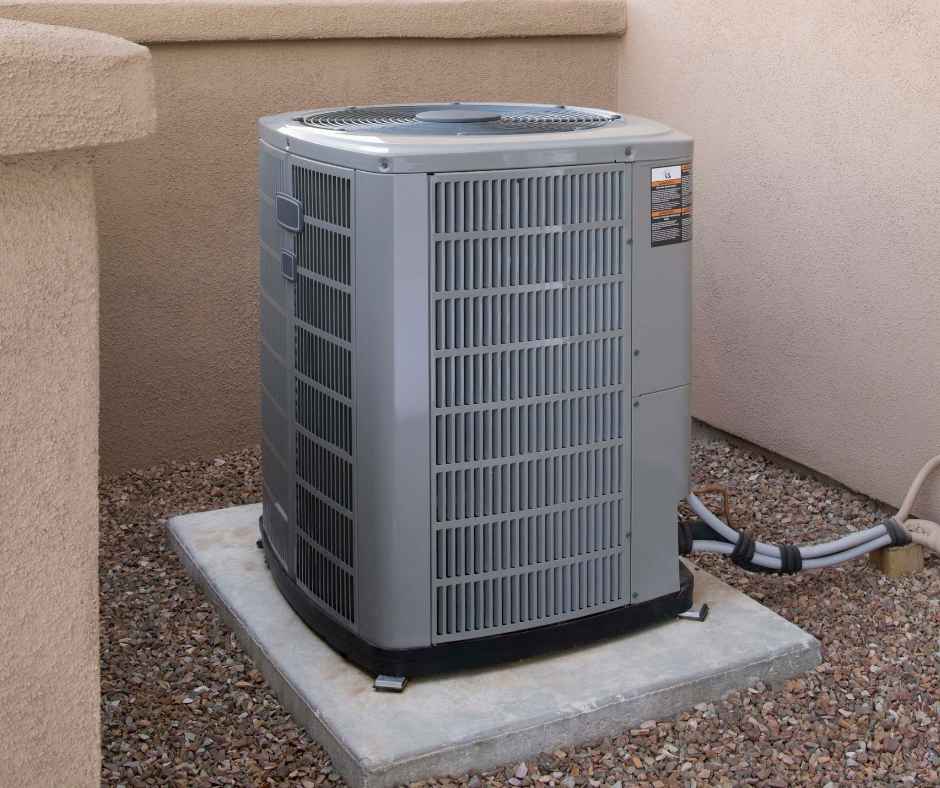
Long Island homeowners living near the Sound or the Atlantic face a persistent mechanical threat: salt-laden air that accelerates the oxidation of critical cooling components. This corrosive environment is particularly damaging to the aluminum fins on your outdoor condenser unit, where salt crystals can lodge between the thin metal layers, triggering a chemical reaction known as galvanic corrosion. As these fins degrade and crumble, the surface area available for heat exchange decreases significantly, forcing the system to work harder to reject heat from your home. This loss of cooling capacity directly impacts the unit’s ability to manage humidity, as the compressor must run at higher temperatures and pressures to achieve basic cooling.
Routine HVAC maintenance for coastal properties must include a specialized focus on neutralizing these salt deposits to prevent the “pitting” of the coils that eventually leads to irreparable refrigerant leaks. By maintaining the structural integrity of your outdoor unit, you ensure that the airflow remains unobstructed and the system can efficiently transfer heat away from your living space.
Protecting your system from the unique challenges of the Long Island shoreline involves several proactive maintenance steps:
Modern thermostats have evolved from simple temperature switches into sophisticated climate controllers that can specifically prioritize dehumidification on Long Island. If your home feels damp despite the air conditioner running, the issue may stem from your thermostat settings or its physical location within the house. For example, a thermostat placed in a drafty area or directly in the sun will provide inaccurate readings, causing the system to run in a way that ignores the actual humidity levels in the living areas.
By calibrating your smart thermostat to communicate with your air handler’s variable-speed motor, you can instruct the system to run longer cycles at a lower speed. This allows the air more contact time with the evaporator coils, which is the most effective way to reduce the moisture per pound of air. Adjusting these digital parameters ensures that your AC maintenance efforts are supported by intelligent software, resulting in a home that feels crisp and dry rather than just cold and clammy.
To optimize your thermostat for the unique moisture challenges of Suffolk and Nassau Counties, consider these settings:
While basic filter changes and coil rinsing are vital, the complex interaction between air temperature and moisture removal requires the precision of a professional technician from NH Ross. A professional tune-up involves more than just a surface-level cleaning: it includes a deep diagnostic evaluation of the system’s thermodynamics. Our technicians use specialized tools to measure the superheat and subcooling of the refrigerant, which are the only ways to verify if the system is actually absorbing enough heat and moisture from your indoor air.
In the coastal climate of Long Island, where humidity can shift rapidly, having a system that is perfectly balanced is the difference between a high utility bill and a comfortable home. By investing in professional HVAC maintenance, you gain the peace of mind that your equipment is calibrated to handle the most humid days of August without breaking a sweat.
A professional NH Ross diagnostic service includes these essential steps for coastal homeowners:
Surviving the Long Island humidity requires a cooling system that understands the difference between cooling the air and drying it. By focusing on both mechanical health and smart settings, you can overcome the oppressive coastal humidity and create a truly refreshing indoor environment.
NH Ross is proud to serve our neighbors across Suffolk and Nassau with expert solutions tailored to our unique island climate. Whether you need a precision tune-up or a comprehensive system evaluation, our team is ready to ensure your home remains a sanctuary of comfort. To schedule your specialized humidity-focused service and ensure your system is ready for the heat, contact us today.
This is usually caused by high indoor humidity levels. If the system is not removing enough moisture, the air remains “sticky” regardless of the temperature. This often indicates that the system is short-cycling or needs a refrigerant adjustment.
Yes, NH Ross can install a whole-home dehumidifier that works in conjunction with your air conditioner. This allows you to manage moisture independently of the temperature, which is ideal for the damp Long Island shoulder seasons.
It is normal and necessary. The water you see dripping from the condensate line is the moisture the system has successfully pulled out of your indoor air. However, if water is dripping inside your home or in the emergency pan, you have a blockage.
Many manufacturers require regular professional maintenance to uphold warranties, especially in coastal zones. Documented cleaning of salt deposits is often necessary to prove the system was not neglected in a corrosive environment.
Not necessarily. While high-SEER units often have variable-speed motors that are excellent at dehumidifying, they must be sized and installed perfectly for your home’s specific footprint to be effective.