Serving Suffolk
& Nassau County
& Nassau County

Family Owned & Operated Since 1971!
As the winter chill settles into Long Island, your heating system becomes the most important machine in your home. When that system starts acting up, every homeowner faces the same anxious question. Is this a simple repair or the start of a financial nightmare? At NH Ross, we know that nobody wants to invest in a new furnace or boiler if a minor adjustment can get the job done.
In 2026, the stakes for home heating are higher than ever. Energy costs across New York have shifted, and many older systems are struggling to meet modern efficiency standards. Navigating the choice between a quick fix and a total heating replacement requires a bit of diagnostic detective work. This guide will walk you through the warning signs that separate a minor glitch from a true “money pit,” helping you make an informed decision for your home and your budget
Before you assume the worst, it is important to remember that many heating issues are caused by small, peripheral components rather than a total system failure. In 2026, many homeowners are surprised to find that what feels like a major breakdown is actually a simple maintenance oversight.
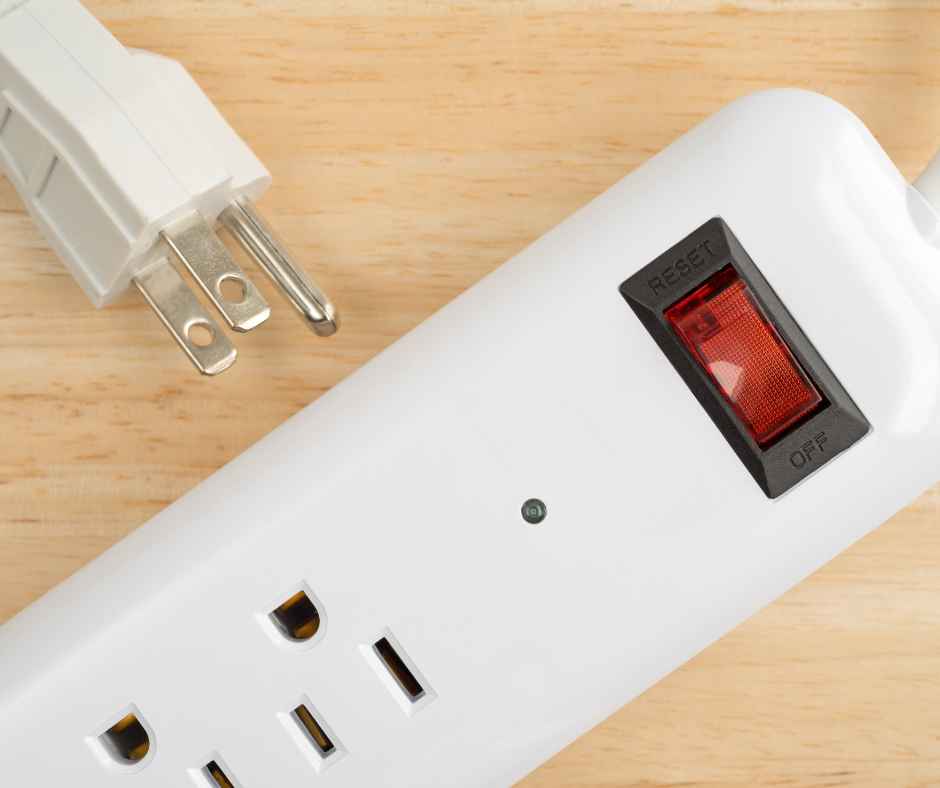
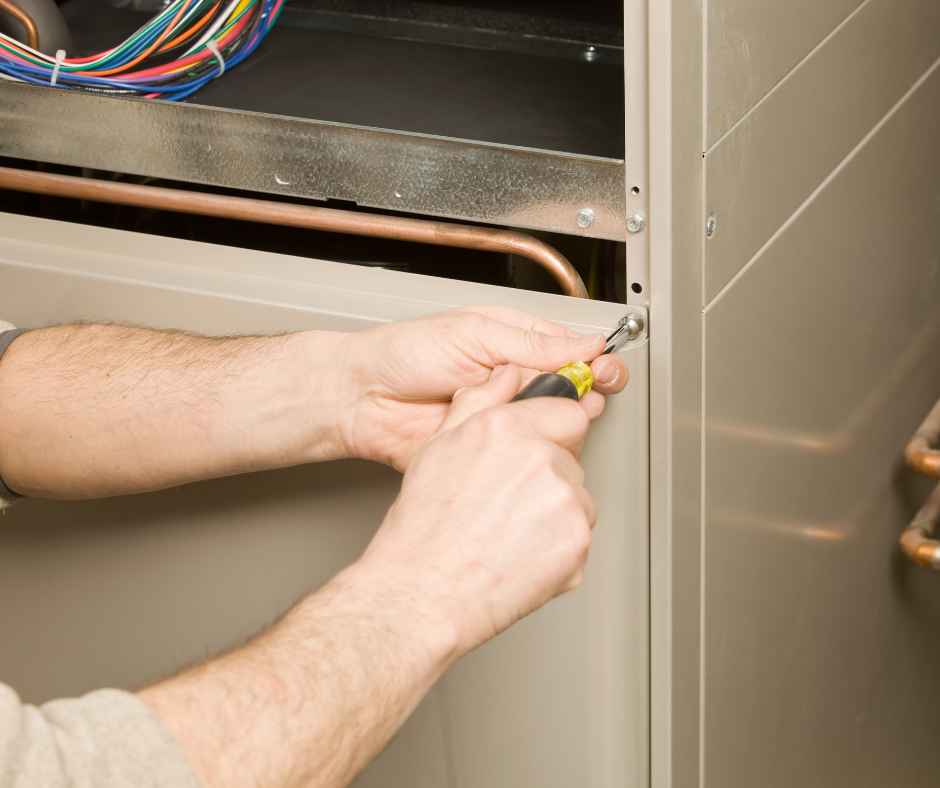
Here are the most common “easy fixes” that do not require a system overhaul:
If your system is less than ten years old and has been well-maintained, these minor issues are rarely a sign of impending doom. They are simply the “check engine lights” of your home, indicating that a quick tune-up is all that is standing between you and a warm house.
While many issues are minor, there comes a point where a heating system crosses the line from “reliable” to “liability.” Identifying these red flags early can save you from throwing good money after bad. In 2026, we are seeing many Long Island homeowners struggle with systems that have reached their “planned obsolescence” phase.
Here are the definitive signs that you are dealing with a money pit:
If you find yourself on a first-name basis with your repair technician, it is time to stop patching the problem. Modern units in 2026 are significantly more efficient, meaning the money you save on monthly utilities can often help offset the cost of the new installation.
The “money pit” conversation has changed significantly this year. In 2026, we are operating in a new energy landscape on Long Island. National Grid and PSEG have both implemented rate adjustments that make the efficiency of your heating system a direct factor in your household’s financial health.
When deciding whether to repair or replace, you must consider the following 2026 factors:
Repairing an old unit might save you money this week, but it could cost you thousands in energy bills over the next three winters. We help our customers run these numbers to see if a replacement actually pays for itself.
Choosing between a repair and a replacement is rarely just about the mechanical failure; it is about the long-term comfort and safety of your family. While it is tempting to go with the “quick fix” to save money today, a system that has become a money pit will eventually leave you stranded on the coldest night of the year.
At NH Ross, we believe in providing our neighbors with transparency. In 2026, we are helping Long Island homeowners navigate the shift toward high-efficiency heating by combining expert diagnostics with the latest state and federal incentives. Whether your system needs a simple sensor cleaning or a full modern upgrade, our goal is to ensure your home remains a sanctuary from the winter weather. Contact us today for a comprehensive heating audit and let us help you take the guesswork out of your home’s comfort.
In our region, gas furnaces typically last 15 to 20 years, while well-maintained boilers can last 25 to 30 years. However, due to the corrosive nature of salt air on Long Island, systems located near the coast often see a slightly shorter lifespan of 12 to 15 years.
A cracked heat exchanger is a critical safety failure that can leak carbon monoxide into your home. Because the cost of the part and the intensive labor required to replace it often exceeds 50% of the cost of a new furnace, we almost always recommend a full replacement for safety and financial reasons.
Yes. In 2026, the NYS Clean Heat Program and federal tax credits make switching to high-efficiency cold-climate heat pumps more affordable than ever. Many homeowners are making this switch to avoid fluctuating oil prices, which averaged around $4.01 per gallon on Long Island this month.
Modern high-efficiency furnaces have AFUE ratings of up to 98%, meaning only 2% of the fuel is wasted. If you are replacing a 20-year-old unit that may be operating at 60% efficiency, you could see a reduction in your gas consumption of nearly 30% to 40% immediately.
For the best performance in 2026, we recommend checking your filter every 30 days. During heavy-use months (December through February), most Long Island homes benefit from a fresh filter once a month to reduce unnecessary strain on the blower motor.