Serving Suffolk
& Nassau County
& Nassau County

Family Owned & Operated Since 1971!
Winter weather on Long Island often brings sudden drops in temperature, strong winds, and extended cold spells that can put plumbing systems at serious risk. When water inside a pipe begins to freeze, it expands and increases pressure within the line. This pressure can cause pipes to crack or burst, leading to major water damage, costly repairs, and disruption throughout the home. Many homeowners do not realize their pipes are vulnerable until a cold snap arrives and the warning signs appear.
Frozen pipes can occur in any home, but they are especially common in areas with poor insulation, exposed plumbing, or limited heat during the winter months. Understanding where pipes are most vulnerable and how to protect them can prevent both emergencies and expensive repairs.
In this blog, we will explain why pipes freeze, how to spot early warning signs, and what homeowners on Long Island can do to keep their plumbing protected all winter long with help from NH Ross.
Long Island’s winter climate creates ideal conditions for frozen pipes. Temperatures often drop quickly, especially overnight, and persistent wind can cause cold air to penetrate areas of the home that are not well insulated. When pipes lose heat and the water inside them reaches freezing temperatures, the risk of blockage and bursting increases significantly.
Uninsulated pipes located in unheated or poorly heated areas are the most vulnerable. Basements, crawl spaces, garages, and exterior walls often allow cold air to reach plumbing lines more easily. Sudden weather changes can also play a role. A rapid drop in temperature may catch homeowners off guard, leaving pipes unprotected without enough time to prepare. Outdoor plumbing lines and hose connections are particularly susceptible because they receive direct exposure to cold air and wind throughout the winter season.
Wind chill also contributes to freezing. Strong gusts can push cold air into cracks, gaps, or openings around the home, quickly lowering the temperature around exposed pipes. When these factors combine, even a brief cold snap can cause significant plumbing issues.
Frozen pipes often show early symptoms before they burst, and recognizing these signs can help homeowners prevent major damage. Cold temperatures on Long Island can cause water flow to slow, surfaces to frost over, and unusual sounds to come from plumbing lines. Paying attention to these warning signs allows homeowners to take action before a pipe becomes completely blocked or splits.
Common indicators include:
These symptoms suggest that the pipe is reaching freezing temperatures and may be close to bursting. Taking action quickly can help avoid widespread water damage.
Certain parts of a home are more vulnerable to freezing temperatures, especially during Long Island’s coldest months. These locations often have limited insulation, reduced airflow, or direct exposure to outdoor conditions. Knowing where pipes are most at risk helps homeowners focus their prevention efforts and address weak points before a cold snap arrives.
The most common risk areas include:
Pipes in these locations lose heat quickly during cold weather, increasing the likelihood of freezing and bursting. Identifying vulnerable spots early allows homeowners to apply insulation, seal openings, or take other protective steps before temperatures drop.
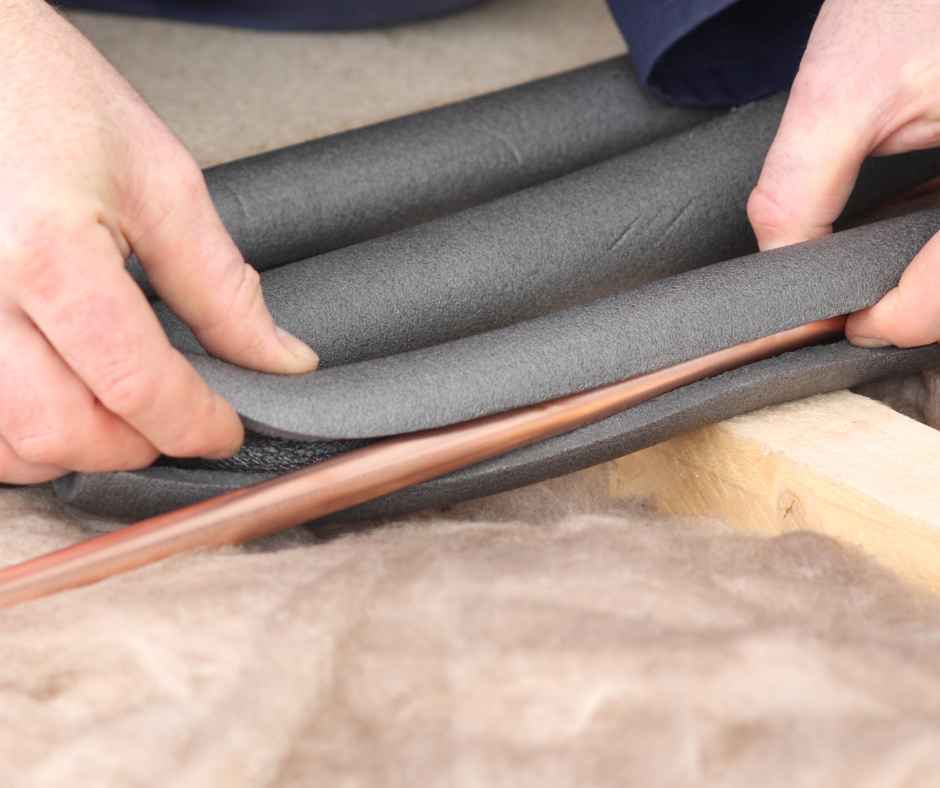
Preventing frozen pipes starts with simple, proactive steps that keep plumbing lines warm and protected. These strategies help maintain water flow and reduce the risk of pipes bursting during Long Island’s coldest days. By taking action before and during cold weather, homeowners can significantly reduce the chances of winter plumbing emergencies.
Key prevention tips include:
These simple measures help protect vulnerable pipes from freezing and keep the home’s plumbing system functioning safely throughout the winter.
Outdoor plumbing lines are among the most vulnerable to freezing, especially during Long Island’s coldest months. These pipes face direct exposure to cold air, wind, and moisture, making proper winter preparation essential. Taking a few preventive steps before temperatures drop can help protect exterior pipes, hose connections, and irrigation systems from severe damage.
Important outdoor preparation steps include:
By preparing outdoor plumbing ahead of winter, homeowners greatly reduce the risk of frozen pipes and prevent costly repairs later in the season.
If a pipe begins to freeze, acting quickly can help prevent it from bursting and causing significant water damage. Homeowners should know the safest steps to take and understand when it is time to stop troubleshooting and call a professional. Handling frozen pipes improperly can worsen the situation, so it is important to proceed with caution.
Recommended steps include:
If a pipe has already burst, homeowners should keep the water supply off, shut down the power if necessary, and contact an emergency plumber to repair the damage safely.
While short-term prevention helps protect pipes during cold snaps, long-term solutions provide stronger protection and reduce the likelihood of recurring issues. Investing in improvements that strengthen insulation, regulate temperature, and safeguard exposed plumbing can make a significant difference for Long Island homeowners. These upgrades help ensure that pipes remain secure through winter after winter, even during unpredictable temperature drops.
Effective long-term solutions include:
These long-lasting improvements help reduce the risk of frozen pipes and provide peace of mind throughout the winter season.
Protect Your Home from Frozen Pipes
Frozen pipes can lead to costly repairs and major water damage, especially during Long Island’s coldest months. By understanding where pipes are most vulnerable, recognizing early warning signs, and taking steps to protect outdoor and indoor plumbing, homeowners can greatly reduce the risk of emergencies. Long-term improvements such as upgraded insulation, heating wraps, and smart monitoring devices provide even stronger protection throughout the winter season.
When pipe issues arise or you need expert guidance to prepare your home for freezing temperatures, professional service is the safest choice. For reliable winter plumbing protection and trusted help with frozen pipe prevention, contact NH Ross today.
In some cases, frozen pipes may thaw naturally when temperatures rise. However, this does not guarantee safety. Thawing can reveal cracks or leaks caused by expanding ice, so it is important to monitor pipes closely and contact a professional if you notice dripping, low pressure, or unusual sounds.
Yes. Shutting off the main water supply and draining faucets can help prevent frozen pipes while you are away. Homes left unheated or unattended during winter storms are at higher risk and should be prepared in advance.
Partial insulation may offer limited protection, but it is most effective when applied along the entire exposed pipe. Any uninsulated section can still freeze and cause pressure buildup that may lead to a burst pipe.
Pipes can begin freezing when temperatures drop to around 20 degrees Fahrenheit, especially in uninsulated or unheated areas of the home. Wind chill and air leaks can cause localized freezing even when outdoor temperatures are slightly higher.
Many policies cover water damage caused by burst pipes, but they may not cover damage if the homeowner did not take reasonable steps to prevent freezing. It is important to review your policy and understand what protections apply.