Serving Suffolk
& Nassau County
& Nassau County

Family Owned & Operated Since 1971!
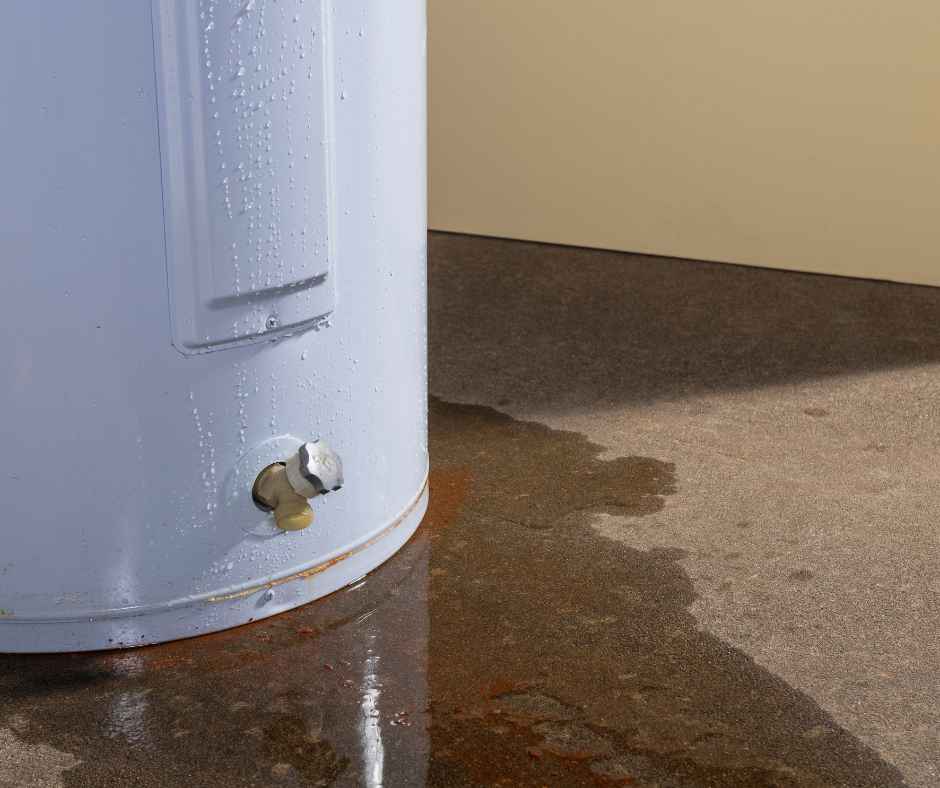
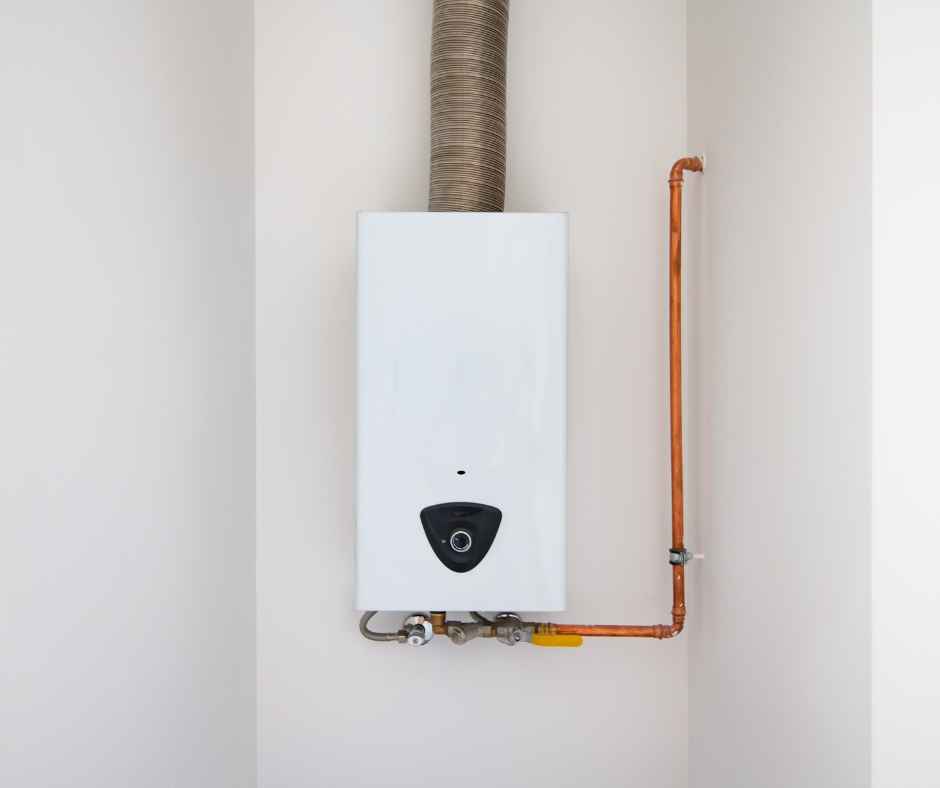
Owning a home on Long Island comes with a unique set of challenges, from navigating the humidity of the South Shore to protecting your property during intense coastal winters. Among the various systems that keep your household running, the water heater is perhaps the most critical yet often overlooked. A failure in this unit does not just result in a cold shower; it can cause catastrophic water damage, especially in finished basements and tight utility closets common in our local neighborhoods. Identifying a leaking water heater before it becomes a full-scale flood is essential for maintaining both your home’s structural integrity and your peace of mind.
In this blog, we will discuss the specific red flags that indicate your water heater is struggling, with a particular focus on how the Long Island environment accelerates these issues.
A leaking water heater is far more than a simple plumbing inconvenience for residents of Long Island. Because many of our local homes feature finished basements or utility rooms located near essential electrical panels, even a slow drip can quickly escalate into a high-stakes emergency. Water damage is often deceptive. By the time you notice a damp spot on a carpet or a musty smell in the air, the water may have already seeped into the subflooring or behind the drywall. This moisture creates an ideal environment for mold growth, which is a significant concern given our coastal humidity.
Furthermore, a compromised tank can lead to significant structural integrity issues if left unaddressed. Water is heavy and persistent. Constant exposure to moisture can weaken wooden support beams and cause corrosion of nearby metal fixtures. In Nassau and Suffolk Counties, where property values are high and home maintenance is a priority, a basement flooding event caused by a neglected water heater can result in thousands of dollars in restoration costs.
Recognizing the early indicators of a system failure can be the difference between a simple water heater repair and a complete basement renovation. While some leaks are sudden and obvious, most begin as subtle changes in your unit’s performance or appearance. Long Island homeowners should stay vigilant by watching for these five common warning signs.
Monitoring these signs allows you to address the issue before the tank’s structural integrity is compromised. If you spot any of these issues, it is important to act quickly to prevent a small drip from becoming a major flood.
The environmental conditions on Long Island pose unique challenges for plumbing infrastructure. Many residents in areas such as Oyster Bay and Patchogue experience water with high mineral content. This hard water contains high levels of calcium and magnesium, which precipitate out of solution when heated. This process leads to rapid mineral buildup inside the tank. This sediment acts as an insulator, forcing the unit to run longer and hotter, which significantly stresses the metal.
Beyond the water quality, our proximity to the Atlantic Ocean and Long Island Sound introduces salt air into the home. Salt air exposure is a major factor in the accelerated corrosion of metal appliances. Microscopic salt particles can infiltrate utility rooms and basements, settling on the exterior of the water heater and its connections. This creates a corrosive environment that degrades the sacrificial anode rod faster than in inland regions. Once this protective rod is depleted, the tank’s internal lining becomes vulnerable to rust. If you live near the coast, scheduling more frequent Long Island water heater repairs or inspections is a smart way to stay ahead of this invisible decay.
Finding a puddle under your water heater can be a moment of panic for any homeowner. However, taking swift, logical action can prevent a minor leak from becoming a full basement flood. The first priority is always safety. Following a specific protocol helps protect your property while avoiding personal injury from heat or electricity.
If you discover your unit is leaking, follow these critical steps immediately:
Do not attempt to drain the tank yourself unless you are experienced with the procedure. The water inside is under significant pressure and can cause serious injury if the drainage process is not handled correctly. Taking these controlled steps allows you to manage the situation until an expert arrives.
While the immediate steps above can prevent a flood, they do not solve the underlying mechanical failure. A water heater repair is a technical task that requires a deep understanding of plumbing codes, thermal expansion, and electrical or gas safety. Attempting a “quick fix” on a leaking tank often results in a temporary patch that fails under the pressure of daily use. A licensed plumber from NH Ross will conduct a thorough diagnostic to determine if the leak is coming from a replaceable component, such as a heating element, gasket, or valve, or if the tank itself has reached the end of its functional life.
The best way to avoid the stress of a leaking water heater is through consistent seasonal maintenance. For Long Island homes, where the water and air quality are particularly harsh on metal, an annual inspection is vital. During a maintenance visit, a technician will check the following:
By prioritizing professional care, you extend your unit’s lifespan and ensure your home remains protected from the devastating effects of water damage.
Your water heater is a silent workhorse that provides essential comfort for your family every single day. On Long Island, the combination of hard water and salt air makes these units particularly susceptible to premature failure. By staying vigilant and monitoring the warning signs of a leaking water heater, you can act before a small drip causes significant property damage. Remember that pooling water, strange noises, and rusty tap water are not just minor issues; they are urgent calls for attention.
At NH Ross, our team is dedicated to providing high-quality service that keeps your home running smoothly through every season. We offer the expertise needed to handle everything from minor repairs to full system replacements with efficiency and care. To protect your home and ensure your water heater is in peak condition, contact us today.
Yes, the Temperature and Pressure (T&P) relief valve is a replaceable part. If the valve is faulty or blocked by sediment, a technician can replace it with a new one. However, if the valve is leaking due to the tank overheating or overpressurization, we must address the root cause to prevent a future tank failure.
Most standard repairs, such as replacing a heating element, a thermocouple, or a valve, can be completed in one to two hours. If the leak is caused by a cracked tank, a full replacement is necessary, which usually takes between three and five hours, depending on the complexity of the installation.
Typically, insurance covers the damage caused by the water leak, such as ruined flooring or drywall, but it rarely covers the cost of the water heater itself if the failure was due to age or lack of maintenance. This is why preventive care is so important for your finances.
The anode rod is a magnesium or aluminum rod that hangs inside your tank. It is designed to corrode faster than the steel tank, “sacrificing” itself to protect the lining. In Long Island’s mineral-rich water, these rods often disappear in just a few years, leaving your tank vulnerable to rust.
Generally, if a water heater is more than 10 years old and begins leaking from the tank, replacement is the more economical choice. The cost of a major repair on an aging unit often approaches that of a new, more energy-efficient model with a fresh warranty.